



Made with wine, fruit and spices, sangria is an easy cocktail to enjoy anytime! Depending on the fresh, in-season ingredients you use, it’s delicious as a summer drink but also to cozy up with in the wintertime.

Save this for later!
DISCLAIMER
*This post may contain affiliate links, meaning Feast + West may receive commissions for purchases made through those links — at no cost to you. All opinions are our own. Please read our full disclosure for more information.
Your ultimate guide to sangria
When you think of sangria, it’s likely the classic red version that comes to mind. However, this big batch beverage has many iterations that help it fit in any season or occasion!
Sangria is naturally sweet, with elements of spice and fruit, but you can customize the flavors depending on your ingredients. It’s the perfect easy cocktail for an unexpected gathering since you can follow the recipe closely or add whatever you have on-hand for a completely unique sipper.
Plus, its easy to tailor to your personal preferences. Use your favorite bottle of wine, swap out the extras you use… the possibilities are almost endless!

Best wine
Wine plays a starring role in sangria, which can feel a bit overwhelming when it comes to selecting a bottle. But I’m here to assure you, you really can’t go wrong!
Red wine is often packed with fruity flavor that varies depending on the bottle you select. It can be medium- to full-bodied and I find that the most flavorful ones for sangria are Spanish wines like Rioja, Tempranillo and Garnacha.
White wine is crisp, with blended citrus and fruit flavors. Its texture can range depending on the variety you choose, from buttery to dry and there are different levels of sweetness in each variety. I prefer a dry white wine with a bit of sweetness, like Pinot Grigio.
Rosé is bright with both sweet and dry varieties, and even bubbly. Its flavor can range from red fruit like ripe strawberry and rhubarb, to more savory dried herbs. Find a bottle that with notes that compliment the other ingredients in your cocktail to create a cohesive drink.
You can also use a non-alcoholic wine * to make a sangria option that everyone can enjoy, or even a combination of ingredients that help provide the depth of wine’s flavor notes without the booze. My virgin sangria combines cranberry & pomegranate juice, the pomegranate juice making the resulting drink drier.

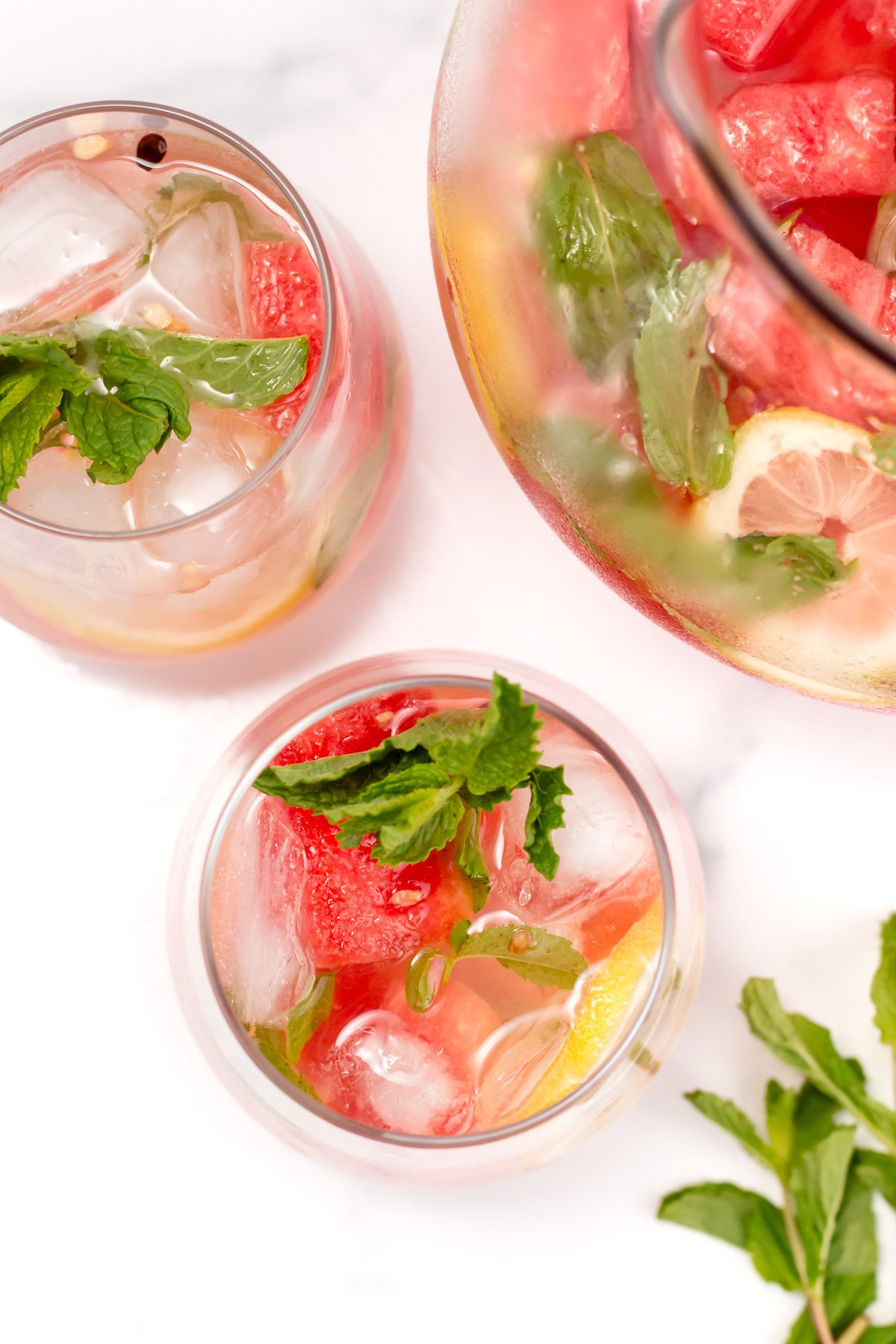
What to put in sangria
Each sangria recipe brings its own ingredients and pizzaz to the table. Get out a large pitcher, and here’s what to add to dream up your own creation:
- Wine: This one is a no-brainer. Grab your favorite red, white or rosé! Dry wines are preferable to sweeter ones, though, because you can better control the sweetness of the end result.
- Extra booze: Kick things up by adding an extra liqueurs to your sangria. Vodka, brandy, orange liqueur (like triple sec, Grand Marnier or Cointreau) are my go tos, but you can use anything on your bar cart * that complements the drink!
- Sweetener: Mellow out the other flavors in your mixture by using honey, maple syrup, simple syrup or another preferred sweetener. Plain sugar or brown sugar will also work, but it takes a little extra stirring to dissolve it.
- Fruits: Infuse flavor by using slices of apples, citrus (like oranges, lemons or limes) or berries. Fruit juices like orange juice, lemon juice or apple cider help to balance out the sweetness.
- Spices and herbs: Add depth and additional notes of flavor using rosemary, mint, basil, thyme, sage, cinnamon sticks… Again, there are plenty of options depending on your preferences!
- Something bubbly: This one is optional, but a splash of club soda, lemon-lime soda or ginger ale helps to stretch it a little bit if you’re serving a big crowd. Add the sangria to your glasses, then add a little bubbles over the top.
Use your occasion as inspiration for your ingredients. Cool down with mint and citrus for a summer-ready sangria. Serving some at Christmas dinner? Look to cranberries and cinnamon for cozy elements fit for the holiday. You get the picture!

Fruit for sangria
Though many sangria recipes use citrus slices and diced apples to flavor the cocktail, they’re not the only options. Play around with flavor combinations you already love and fresh fruits you have on hand to make a completely custom sangria recipe to sip on.
Switching it up with different kinds of fresh citrus and seasonal fruits is one of my favorite things. Even some fresh ginger would add a nice kick to a sangria recipe. Here are some other fruits you can include:
- grapes
- peaches
- pears
- lemons and limes
- plums
- blood oranges
- strawberries, blueberries or blackberries
- melon
- kiwi
The best sangria recipes
Pick up a bottle of your favorite wine and turn it into a cocktail fit for celebrating with one of these sangria recipes:
1. Classic sangrias
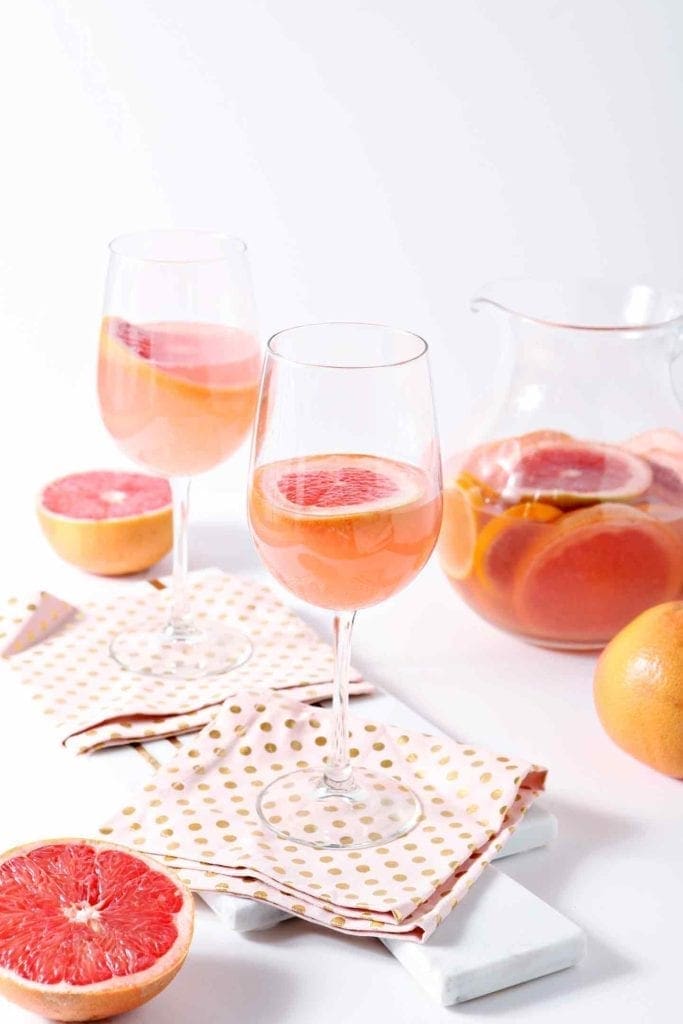
These are the timeless picks you can always count on — traditional red, crisp white and refreshing rosé. They highlight the fruit, wine and a splash of spirit in perfect harmony. Great for any occasion, these sangrias are crowd-pleasers that never go out of style. Customize them any time of year with whatever is in season.


2. Bright & summery
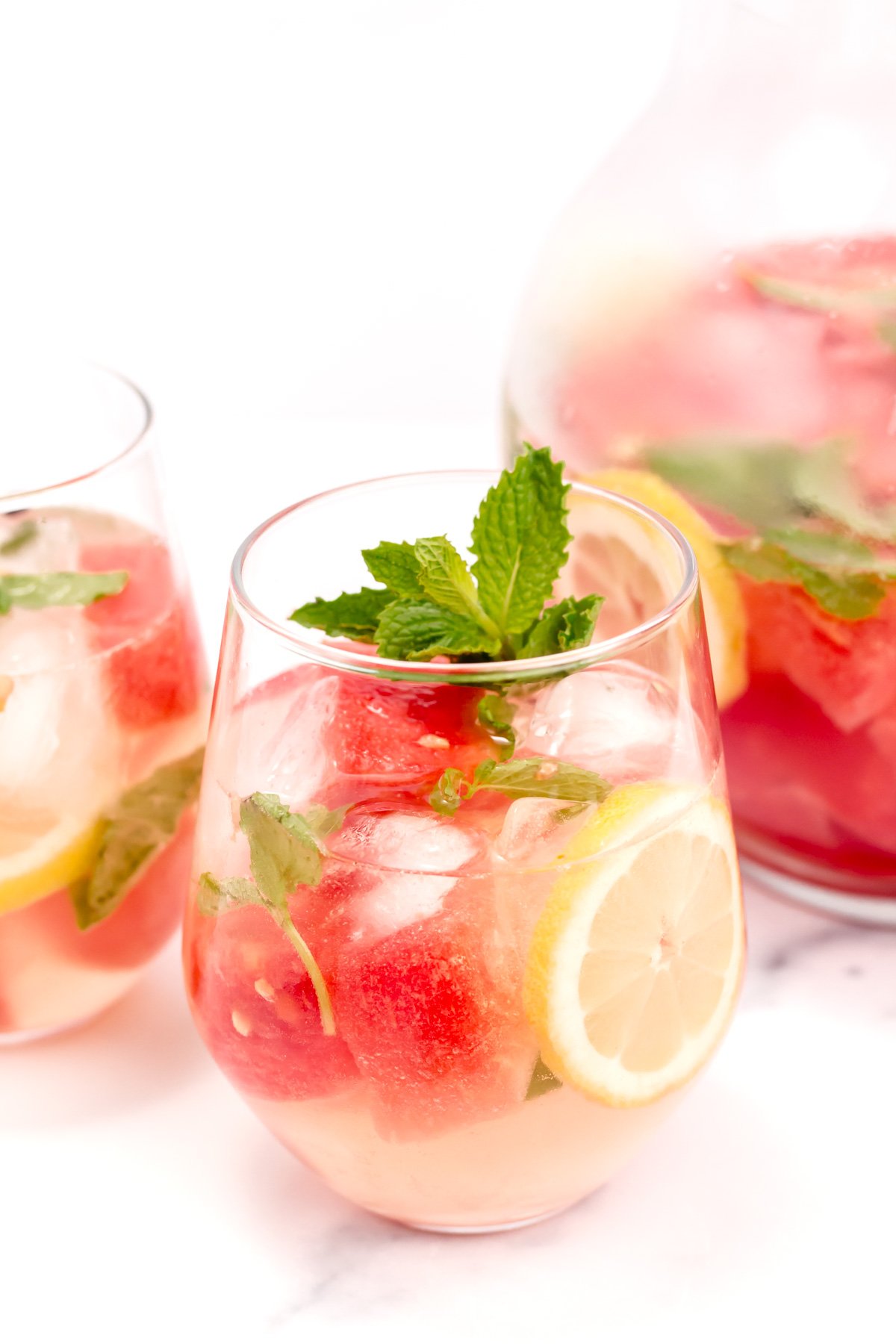
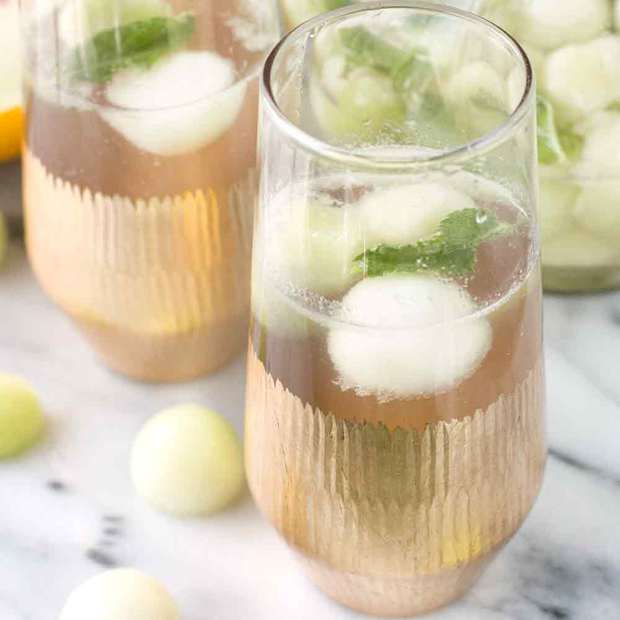
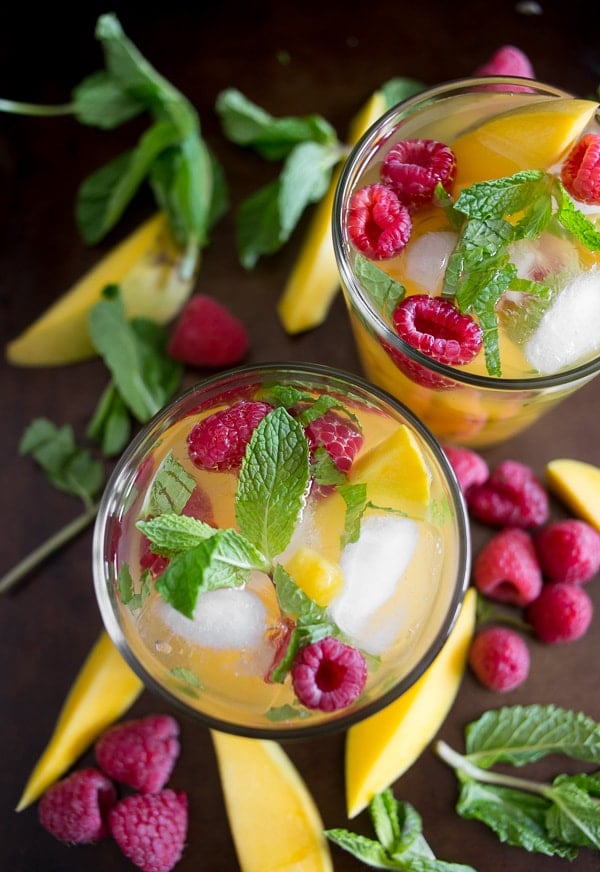
Packed with juicy melon, ripe berries and sunny flavors, these sangrias are made for warm days. They’re light, colorful and endlessly refreshing. You’ll love them for pool parties, backyard cookouts or just soaking up summer vibes.


3. Cozy & festive
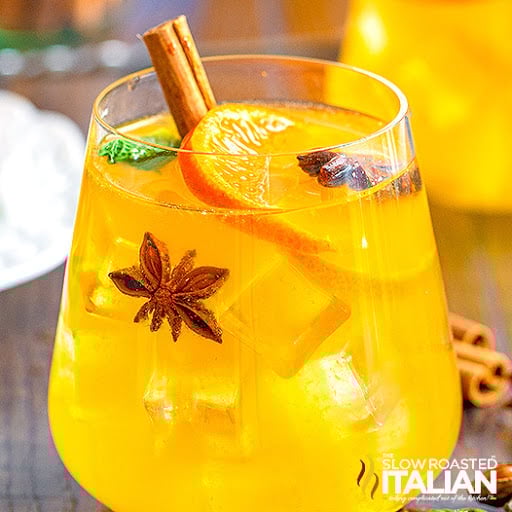
Spiced, rich and full of seasonal charm, these sangrias bring all the cozy holiday feels. With notes of cinnamon, cloves and winter fruit, they’re perfect for chilly nights, holiday dinners and festive gatherings. One sip feels like a celebration.




FAQ
Sangria is freshest when enjoyed the day of, but it will stay fresh in the fridge for 4-5 days. Be sure to hold on adding any carbonated ingredients until just before serving, or they’ll go flat when left in the fridge.
For a red sangria, use a dry but fruity red wine to best bring out the sweeter pairings. Traditional wines from Spain like Tempranillo, Grenache or Rioja wine are all delicious for a classic red wine sangria. A dry, fruity red wine like Merlot, Pinot Noir or Cabernet Sauvignon are also excellent choices.
For white sangria, a dry or semi-dry white wine like Pinot Grigio, Chenin Blanc or Sauvignon Blanc will complement the sweet fruits well. Spanish whites like Albariño or Verdejo are also excellent choices if you want to keep the sangria closer to its roots.
Rosé tends to be inherently sweeter. Choose a dry rosé to keep the sangria balanced and refreshing.


Leave a Reply