



Vodka is having a well-deserved moment, and honestly, it’s about time — consider this your Vodka 101. She’s sleek, versatile and just as comfortable in a briny martini as she is in a fruity cosmo. Whether you’re stocking your bar cart or shaking up something fresh, this guide to the different types of vodka has you covered — plus some top brands, knockout cocktail recipes and vodka infusions to try.

Save this for later!
DISCLAIMER
*This post may contain affiliate links, meaning Feast + West may receive commissions for purchases made through those links — at no cost to you. All opinions are our own. Please read our full disclosure for more information.
The ultimate guide to different types of vodka
Vodka gets a bad rap. After all, it’s the bottle most newly-legals go for at the liquor store, usually with a weird artificial flavor like sour apple or whipped cream added in. And since most vodka is flavorless, colorless and odorless — what could it possibly add to cocktails?
Vodka gets the most liquor store shelf space, though — for good reason. Because of its distinct lack of character, vodka is incredibly versatile and is the base for so many classic drinks. There are numerous types of vodkas, ranging in flavor and alcohol content.
It’s like a blank canvas with lots of room for creativity, so if you’re new to cocktails, vodka is a good place to start. From James Bond’s martini to Carrie Bradshaw’s cosmopolitan, vodka has its place in pop culture and definitely at the bar. No wonder it’s the most popular spirit in the world!
Vodka is also a safe bet when you are serving cocktails to people whose preferences you aren’t familiar with. It is clean, smooth and flavorless, so it supports just about anything you could pair it with, making it a definite crowd-pleaser.

What is vodka?
Vodka is a grain alcohol, distilled from water and ethanol. By United States law, vodka is a neutral, unaged spirit distilled at or above 190 proof (95% alcohol by volume). After distillation, it’s filtered, diluted (with water, to yield its bottling proof) and stored in bottles.
The United States primarily makes ethanol from corn, but distillers sometimes use other fermented grains like sorghum, rye and wheat. Other ingredients can be used to make different types of vodka, like potatoes, molasses and fruits such as grapes, apples and sugar beets. It is run a few times through a large column still, filtered, watered down to a bottling proof and bottled.

History
Vodka’s origin story is long-lost. According to Serious Eats, some scholars have traced its history to 9th century Russia and others to 8th century Poland, but few historical documents remain. The first vodka distillery dates back to year 1174 in Khylnovsk, Russia.
For my fellow word nerds: Vodka means “little water” in Russian. Voda is the word for “water” — the “k” makes the word diminutive.)
Early vodkas weren’t yet distilled, they were fermented and used as a form of medicine. In the late 1300s, vodka became a distilled product. Only in the early 1800s did industrial production begin.
Today, the primary producers of vodka remain in Russia and Northern, Central and Eastern Europe, known as the “vodka belt” countries. One look at the liquor store shelves will tell you: this Russian beverage is the world’s best-selling spirit.
What vodka tastes like
Vodka is a spirit often associated with sweet, girly drinks like the Cosmopolitan or the savory brunch favorite Bloody Mary. Since it starts out a neutral spirit, it pairs really well with a lot of flavors and mixers.
Vodka is often described as cold, sharp, crisp, light, creamy, bland, clean, mellow or smooth.
Types of vodka
Overall, vodka is a pretty simple spirit, but there are nuances. The main types of vodka include:
- Regular vodka: Typically vodka is 80 proof, or 40% ABV, and crisp and clean in flavor.
- High-proof vodka: Vodka is considered to be over 100 proof, or 50% ABV, used for infusions or strong cocktails, as it’s more alcoholic.
- Flavored vodka: This type of vodka is infused with flavors like citrus, vanilla or pepper, but they may be naturally or artificially flavored. For example, a vanilla-flavored vodka might not contain any vanilla at all, but a flavor that’s like vanilla. (That’s why I like to make homemade vanilla vodka and other infusions!)
- Artisanal vodka: Some brands also offer craft or premium vodkas made from unique base ingredients like grapes, potatoes or even milk.

How to drink vodka
Unlike other distilled spirits like whiskey, vodka isn’t usually sipped without mixers. You can sip it straight or kick back a shot, of course, though many people prefer gin in a cocktail such as a vodka gimlet or screwdriver drink as other ingredients like dry vermouth, citrus or simple syrup can help balance the bite of gin.
- If you wish to try sipping vodka, you can really appreciate its botanical flavors, but it’s best enjoyed slowly. I do it like this:
- Pour a small amount into a glass, such as a rocks glass *. Let it sit for a moment to open up.
- Take a small sip, letting it coat your palate and breathe out through your nose to pick up the nuanced aromas.
- Only then should you start taking bigger sips! Now, enjoy.
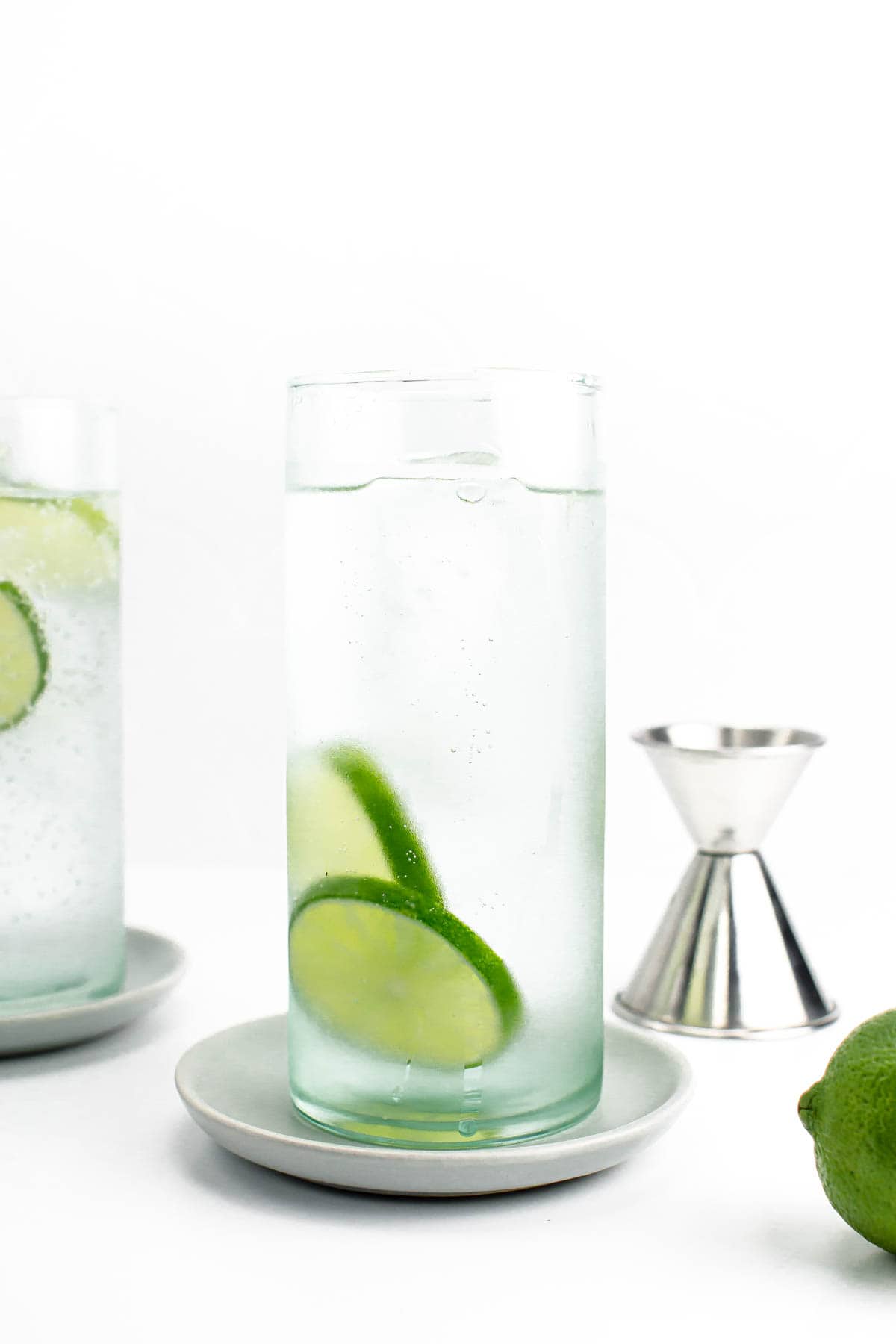
If the vodka tastes too strong for you: Add a bit of water or an ice cube to slightly dilute the alcohol and highlight different botanicals. You also might prefer a cocktail — add a lime wedge and a splash of club soda, tonic water * or any other soda water. A vodka soda or vodka tonic is a great place to start!
favorite martini glasses
 Buy Now →
  Buy Now →
  Buy Now →
 *
The best vodka brands
The best vodka is always going to depend on your taste preferences and what you plan to make with it. As with all my spirit guides, I always tell you to buy the best alcohol you can afford, and Vodka 101 is no different! But if you have a bit of change to spare, a mid-shelf vodka is the best bang for your buck.
Popular and well-known brands include:
| Brand | Base Ingredient | Country of Origin |
|---|---|---|
| Absolut | Wheat | Sweden |
| Belvedere | Rye | Poland |
| Charbay | Grapes/Fruit | United States (California) |
| Ciroc | Grapes | France |
| Crystal Head | Corn | Canada |
| Finlandia | Barley | Finland |
| Grey Goose | Wheat | France |
| Ketel One | Wheat | Netherlands |
| New Amsterdam | Corn | United States |
| Pinnacle | Wheat | France |
| Reyka | Barley & Wheat | Iceland |
| Skyy | Corn | United States |
| Smirnoff | Corn | United States (originally Russia) |
| Square One | Rye | United States |
| Stolichnaya | Wheat & Rye | Latvia (originally Russia) |
| Svedka | Wheat | Sweden |
| Three Olives | Wheat | United Kingdom |
| Tito’s | Corn | United States (Texas) |
In addition to the ever-popular brands, there are more and more small distilleries making and selling their own flavors and types of vodka. (Which is awesome — I am all for the little guys!)
Vodka’s blank-canvas quality is also a good place to begin with infusions, like this sweet marshmallow vodka or festive peppermint vodka.

Vodka cocktails
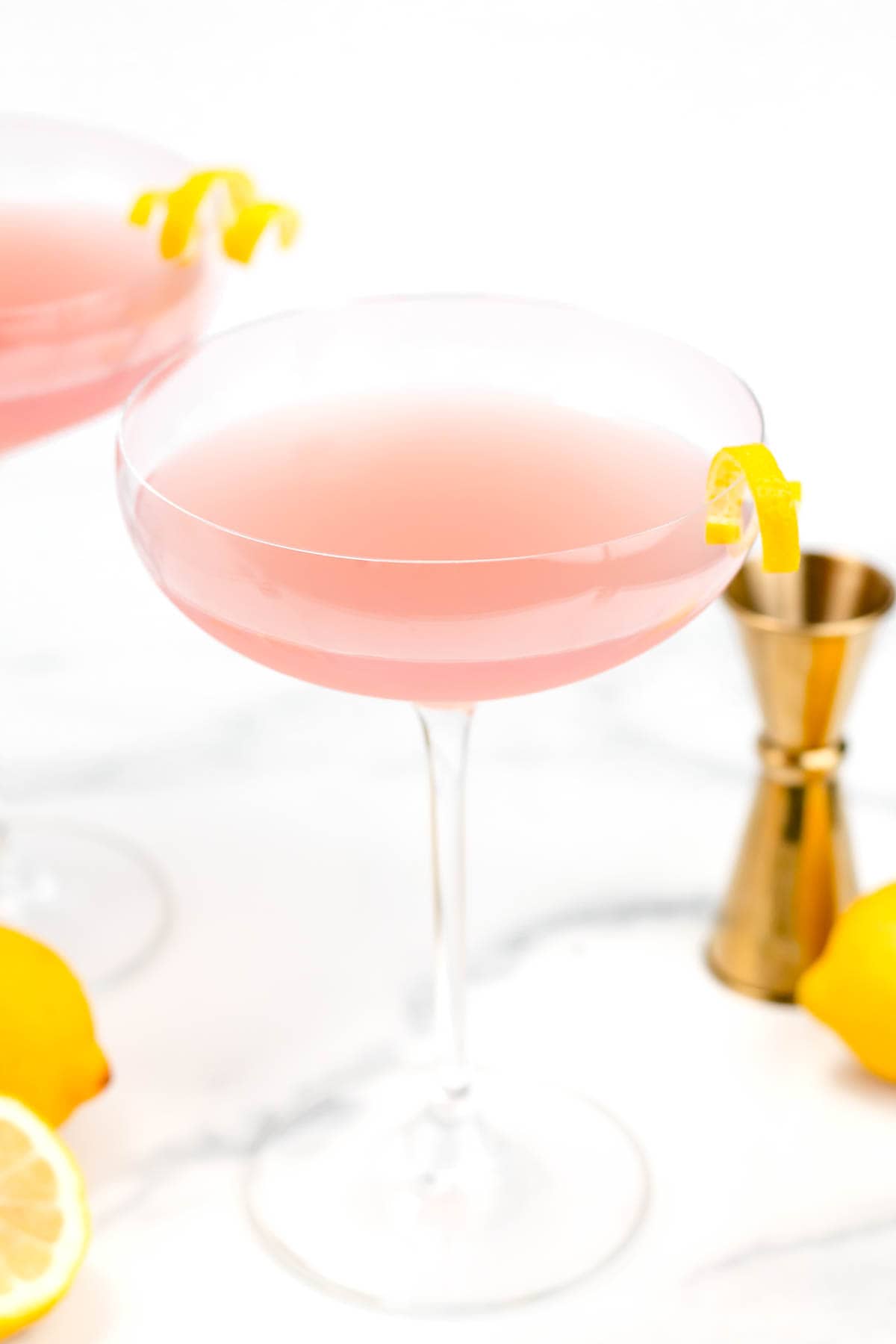
Vodka is delicious in cocktails as it tends to highlight and support the other flavors in a mixed drink. You can also simply add it to a mixer to turn it into a cocktail, like a John Daly with iced tea or a Dirty Shirley, a boozy Shirley Temple. Here are a few different types of vodka cocktails:
Classic cocktails: Vodka has a number of famous drinks you can try it in. Start with a Vodka Collins or lemon drop martini, then upgrade to a salty dog or Moscow mule.
Savory cocktails: Try vodka in classic savory drinks like the vodka martini and classic Bloody Mary, or its Canadian cousin the Bloody Caesar.

Fruity cocktails: The Cosmopolitan and Cape Codder are two famous vodka cranberry cocktails, but vodka also works with other fruits, like orange juice in the Screwdriver, lemon in a vodka lemonade and pineapple in the Black-Eyed Susan.
Spiced & herbal cocktails: Vodka is a blank slate and helps to highlight spices, such as in a Moscow Mule, and herbs like this Rosemary Champagne Cocktail.
Coffee cocktails: This clean spirit lifts up the flavors of the White Russian (or its non-dairy cousin the Black Russian). Vanilla vodka is the supporting actor in the popular espresso martini.
Dessert martinis: Though they’re not “true” martinis (which are made with gin and dry vermouth), vodka is the base of many dessert drinks served in martini glasses *. Try it in a fruity dessert cocktail like a passion fruit martini or raspberry martini, or a creamy one like a chocolate martini or tiramisu martini.

Vodka infusions
If you want to take things up a notch, try your own vodka infusions. You can start with a cocktail infusion kit or make up your own.
- fruit infusions: Vodka pairs well with fruits, so try making strawberry vodka or pumpkin vodka. A homemade limoncello can even start with vodka.
- candy infusions: This can be so much fun! Try candy corn vodka at Halloween, candy cane vodka at Christmastime or Peeps vodka at Easter.
- herb and spice infusions: Try adding fresh herbs, like basil vodka, or dried spices. You can even make homemade sweet tea vodka.
Another idea is to add food coloring, like we do with black vodka, which makes for an extra spooky Halloween cocktail!

How to store vodka
When unopened, common distilled spirits have an indefinite shelf life. Once opened, they will lose some of their flavor and aroma over time, but they won’t truly spoil.
This only goes for the base spirits, AKA hard liquors — not their flavored counterparts like spiced rum or caramel vodka. Since flavored spirits often contain sugar, they will deteriorate faster, especially if they are under 80-proof. Treat these like liqueurs — in general, discard open bottles of liqueurs after 18 months.
Vodka and other distilled spirits can and should be stored at room temperature. Many people store vodka in the freezer, but it isn’t necessary — unless you like your vodka drinks ice cold. Vodka will never freeze, thanks to the alcohol content, but freezing does affect the viscosity.
The benefit of freezer storage means the vodka is ice-cold and slightly more viscous, which can be preferable to some for sipping or serving straight (think martinis or shots). Cold vodka also dulls some of the harsher notes, giving it a smoother mouthfeel.
National Vodka Day
While you can celebrate vodka anytime, National Vodka Day is held October 4 each year. It’s a great time to try a new-to-you brand or make an infusion like hatch chile vodka.

Vodka 101: FAQ
In the U.S., the proof number is twice the percentage of alcohol content. So, if you pick up a bottle that’s 80-proof, you know it is 40 percent alcohol. A bottled labeled 190-proof is 95 percent alcohol — and thus very dangerous. You’ll see these numbers on vodka bottles, so keep them in mind for safe drinking.
You don’t have to keep vodka in the freezer, but many do to enjoy it ice-cold and smoother for sipping. If you’re mostly using it in cocktails, room temperature is perfectly fine.
Distilled alcohol like vodka, rum, gin and tequila, undergo a distillation process that typically removes gluten, making them safe for those on a gluten-free diet. Vodka is often made with inherently gluten-free ingredients like potatoes, corn and grapes. It can be made with wheat; however, so if you are concerned, stick to the other options.


Leave a Reply