











In more than a decade of running a cocktail blog (plus many more years before that as a cocktail lover), I’ve tried a lot of types and brands of alcohol. I pulled together a list of my favorite alcohol brands that I come back to again and again.

Save this for later!
DISCLAIMER
*This post may contain affiliate links, meaning Feast + West may receive commissions for purchases made through those links — at no cost to you. All opinions are our own. Please read our full disclosure for more information.
Your guide to the best alcohol brands
When you’re standing in the liquor store staring at a wall of bottles, it can be difficult to know what’s actually worth bringing home, especially when you’re shopping for a party. After more than a decade of developing cocktail recipes for Feast + West, plus some formal bartending training along the way, I’ve tried a lot of spirits and learned which bottles earn their place behind the bar.
You don’t need to spend a fortune or buy one of everything, either. A good party bar starts with a handful of versatile spirits, plus beer, wine, mixers, garnishes and plenty of ice.
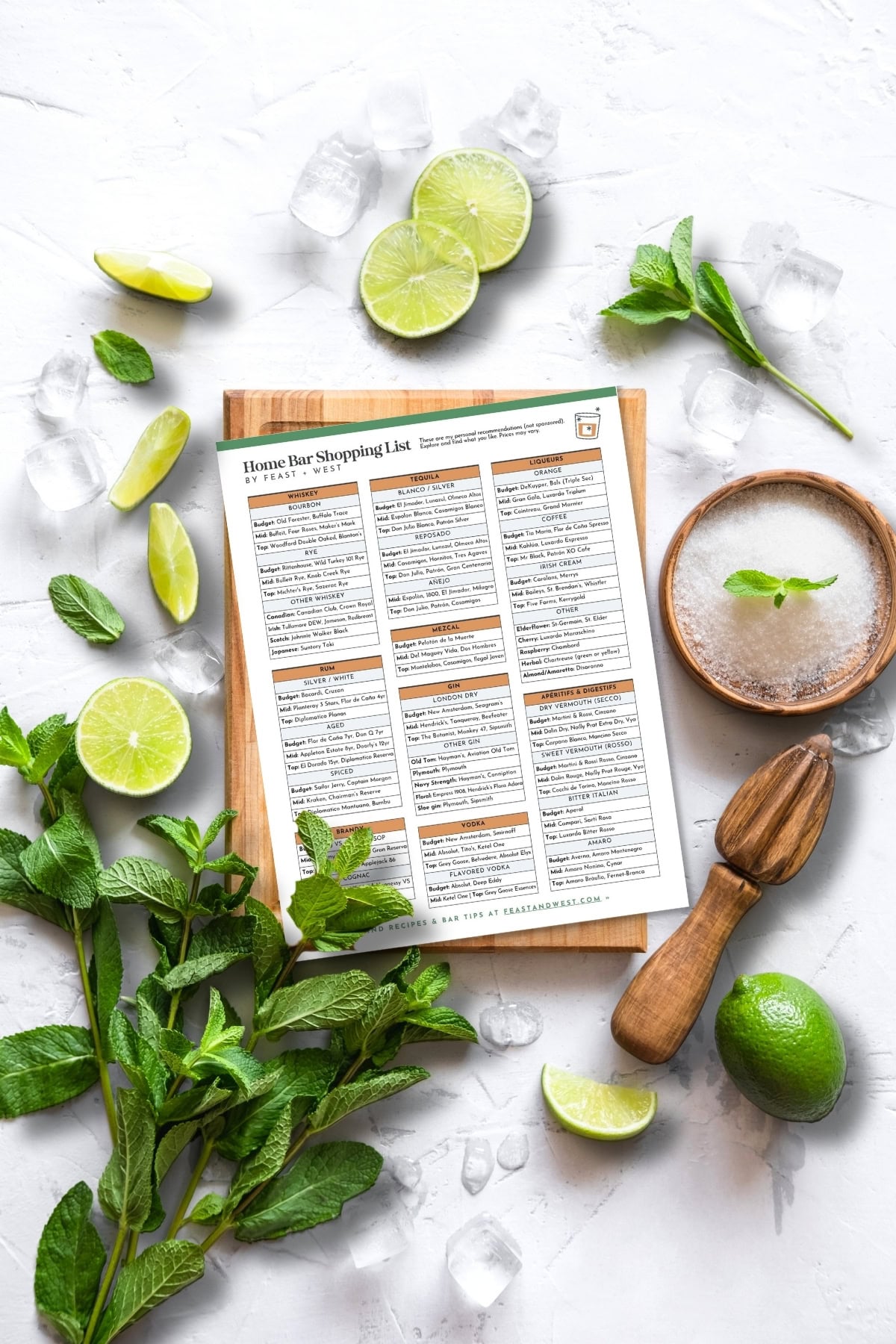
Below, I’ll walk you through what to put on your shopping list and where it’s worth spending a little more. And if you want specific recommendations, I’ve put together a free guide to my favorite alcohol brands at different price points so you can head to the store knowing exactly what to look for.
Note from the author
This blog post is not sponsored. Everything here is based on my personal experiences and are my own opinions. I encourage you to find your own favorites with a little experimentation!
Tips for stocking your bar
For most parties, I like to start with five main spirits: vodka, whiskey or bourbon, rum, tequila and gin. Together, they cover a wide range of classic cocktails and simple mixed drinks without requiring a huge liquor collection.
If you’re building your bar from scratch, my How to Stock Your Home Bar on a Budget guide can help you decide where to spend and where to save. Home Bar Essentials covers the tools you’ll use most often, too. From there, you can add beer, wine, mixers and a few extras to suit the drinks you’re serving.
Vodka
Vodka is one of the most versatile bottles you can buy for a party. Its relatively neutral flavor makes it easy to pair with sodas, juices and other mixers. It shows up in everything from Moscow mules and vodka cranberries to cosmopolitans and espresso martinis.
This is one place where I don’t think you need to automatically reach for the most expensive bottle on the shelf. Absolut is my go-to because it’s reliable and usually a good bang for your buck. If I’m mixing vodka with several other ingredients, I’d rather put the extra money toward another bottle for the bar.
There are plenty of exceptions, of course, especially if you’re making a vodka-forward drink like a martini. My Vodka 101 guide has more on what to look for in a bottle.
Whiskey and bourbon
Whiskey covers a huge range of spirits, including bourbon, rye, Irish whiskey, Canadian whisky, Japanese whisky and Scotch whisky. For a general party bar, though, bourbon is the bottle I’d prioritize because it works in so many familiar cocktails.
Bourbon gives you old-fashioneds, whiskey sours and plenty of easy mixed drinks and highballs. If your guests are Manhattan fans, you might want to add a rye, which generally has a drier, spicier profile, which generally has a drier, spicier profile, while bourbon tends to bring more sweetness and oak.
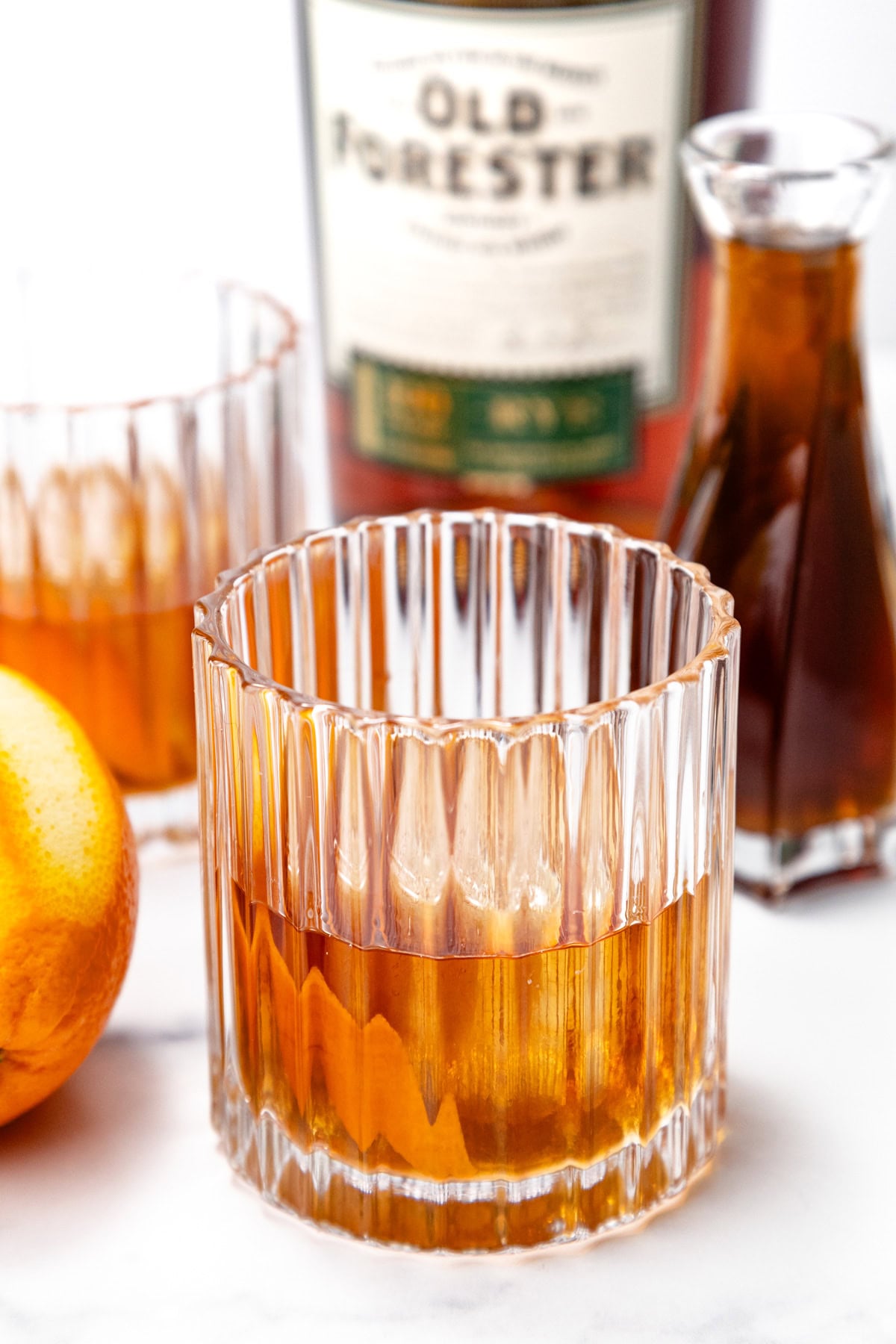
You don’t need to break out your prized sipping whiskey for a round of cocktails. For mixed drinks, I usually stick with a dependable, reasonably priced bourbon. Bulleit and Old Forester are two bottles I’ve reached for.
If all the whiskey terminology starts to blur together, my [Whiskey 101] guide explains the major styles, while Bourbon 101 takes a closer look at America’s native spirit.
Rum
If tropical or summery cocktails are on the menu, you’ll definitely want rum. A white rum is the most versatile place to start because you can use it for mojitos, daiquiris and all kinds of fruit-forward drinks.
Bacardi Superior is probably the bottle I reach for most often when I need white rum. It’s affordable, readily available and mild enough to play nicely with the other ingredients in a cocktail.
Aged and dark rums bring more character and deeper flavors, so they’re worth adding if your cocktail menu calls for them. But if you’re trying to keep the shopping list manageable, start with white rum and build from there. Rum 101 has more on the different styles and when to use them.

Tequila
You don’t have to spend top-shelf money to get a tequila that works well in cocktails. Blanco tequila is the most useful style for a party bar, especially if margaritas and palomas are on the menu.
I tend to look for a good bottle at a reasonable price when I’m making mixed drinks. Lunazul and El Jimador are two of my go-to tequilas because they give you fresh agave flavor without requiring a big splurge.
If you’re serving tequila neat or making a drink where the spirit is really meant to shine, you may decide it’s worth spending more. My Tequila 101 guide explains the different styles and what to look for.
Gin
I used to really hate gin when I was younger because I thought it all tasted like Pine-Sol. It turns out there’s a lot more nuance to gin than I gave it credit for, and finding the right bottle makes an enormous difference.
For a party, I’d choose a versatile gin that can handle classics like gin and tonics, gimlets and Tom Collinses. Gin varies quite a bit, though. Some bottles are strongly juniper-forward, while others lean more floral, citrusy or herbal.
The Botanist is one of my favorites when I really want the gin to shine, but you don’t necessarily need to spend that much for every party. Gin 101 can help you find the style that works best for your menu and your guests.
Beyond the bar: Beer, wine and mixers
The five main spirits give you a great cocktail foundation, but not everyone at a party will want a mixed drink. Beer and wine offer easy alternatives, while a good selection of mixers makes those liquor bottles much more versatile.
Beer and wine
For beer, I’d choose something crowd-friendly and easy to drink rather than going to either extreme on price. A familiar lager or pilsner is a safe choice for a mixed crowd. A pale ale or another approachable craft beer can add some variety. If beer will be a bigger part of the party, offering two different styles gives guests a choice without requiring you to stock an entire beer fridge.
For wine, a red and a white will cover most parties. Rosé can be a great addition in warmer weather, while sparkling wine makes sense for celebrations or whenever you want something a little more festive.
My Beer 101 guide is a useful starting point if you’re not sure what to choose, and I’ve also got guides to Red Wine 101, White Wine 101 and Rosé Wine 101 if you need help narrowing down the wine aisle.
Sodas and juices
A few versatile mixers let you make a wide range of cocktails with the spirits you already have. What you need will depend on the cocktails you’re serving, but I like to cover a few basic categories so there are plenty of combinations to work with.
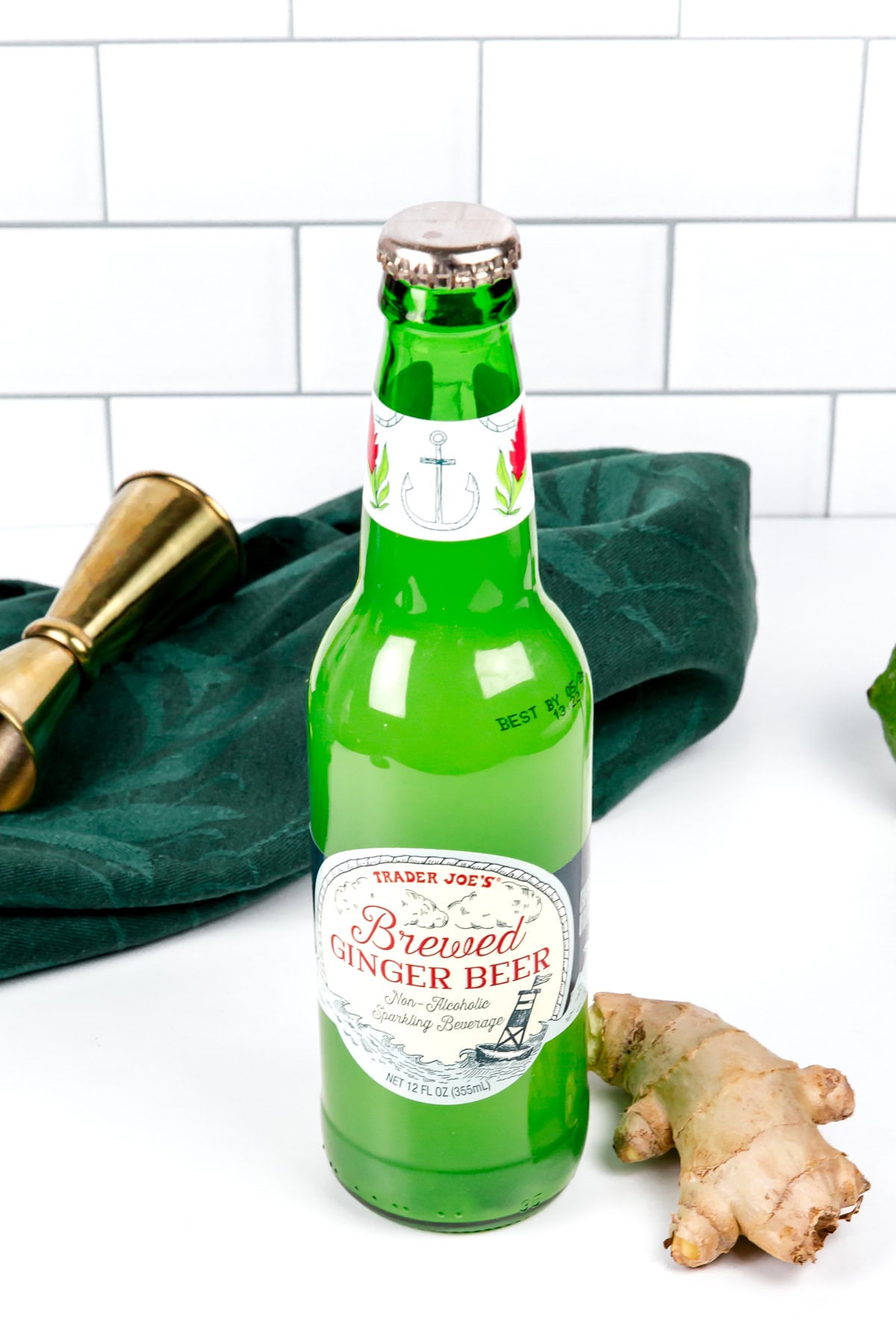
For bubbly mixers, stock club soda, tonic water *, ginger ale or ginger beer and cola. Smaller bottles or cans are especially handy for parties because you can open them as you need them instead of letting a big bottle lose its fizz.
You’ll also want plenty of water, plus a few juices. Orange and cranberry juice are versatile standards. Fresh lemon and lime juice cover all kinds of classic cocktails. Pineapple and grapefruit juice are useful additions if they fit your drink menu.
Depending on what you’re serving, you may also need sour mix or margarita mix, Bloody Mary mix, grenadine or triple sec. And don’t forget milk, half-and-half or heavy cream if you’re planning White Russians, Brandy Alexanders or other creamy cocktails. My Cocktail Mixers 101 guide goes deeper into the different options and what they contribute to a drink. For a party, I also like to make a garnish board and let people help themselves!
Garnishes and ice
For the most versatile party bar, don’t overlook the garnishes.
The right garnishes depend on your cocktail menu, but a few basics will cover plenty of drinks. Fresh lemons and limes are especially versatile, along with cocktail cherries and olives for drinks that call for them. My Cocktail Garnishes guide has more garnish ideas if you want to build out your selection.
And don’t forget the ice. You’ll need it for making cocktails, serving drinks and keeping bottles and cans cold. About a pound of ice per person is a useful starting point when you’re planning how much to buy.

Wild card: extra credit spirits
Once you’ve covered the basics, there are plenty of ways to round out your bar based on the drinks you want to serve. These aren’t bottles I’d consider essential for every party, but adding one or two can open up a lot more cocktail options.
Kahlúa, champagne and other bonus picks
- Vermouth is worth having when martinis, Manhattans or Negronis are on the menu. Sweet vermouth works in drinks like Manhattans and Negronis, while dry vermouth is the classic choice for martinis. I recommend buying smaller bottles unless you use it frequently, and remember that vermouth belongs in the refrigerator once it’s open.
- Mezcal is a fun addition if you like smoky agave spirits. You can use it in drinks that specifically call for mezcal or experiment with swapping it for some or all of the tequila in a cocktail.
- Brandy or Cognac gives you another family of classic cocktails and after-dinner drinks. It’s also handy for cooking and baking, so a bottle doesn’t have to sit untouched between parties.
- Aperitifs such as Aperol and Campari are useful for spritzes and other bitter Italian cocktails. Aperol is lighter and less bitter, while Campari has a much more assertive bitter flavor.
- Orange liqueur is especially useful if margaritas are on the menu. Triple sec is an inexpensive basic, while Cointreau is my pick when I want to level up a recipe. Grand Marnier is richer and brandy-based, so it brings a different character to cocktails and is especially useful for baking.
- Kahlúa or another coffee liqueur is a great wild card if you want to make espresso martinis, White Russians or other after-dinner cocktails. My Coffee Liqueur 101 guide has more ways to use it.
- Irish cream is another fun option for dessert drinks or sipping. It adds richness and sweetness to cocktails.
- Champagne and other sparkling wines are always great for a celebration, and you can serve them on their own or use them in cocktails.
You don’t need all of these. Pick one or two based on the party and spend your money on bottles you know you’ll actually open.
Free alcohol brand checklist
There’s a big difference between knowing you need vodka and knowing which vodka to put in your cart.
I’ve put together a free party liquor checklist with my favorite alcohol brands at different price points. Use it to find dependable bottles that fit your budget without standing in the liquor aisle Googling every label you see.
And don’t worry if you don’t finish everything at the party. Most spirits will keep for quite a while when stored properly. My How to Store Alcohol Properly guide covers what belongs on the bar and what needs to go into the refrigerator once it’s open.
More party bar ideas
Setting up a self-serve drink station can make hosting easier and give guests a chance to mix their own drinks. My 10+ Drink Station Ideas for Parties has plenty of inspiration for putting together a bar that works for your party.
If you’re stocking up for holiday entertaining, my How to Stock Your Bar for the Holidays guide has more ideas for building a festive bar for the season.
FAQ
No. Vodka, whiskey or bourbon, rum, tequila and gin give you a well-rounded selection, but there’s no reason to buy a bottle nobody is going to drink. Start with the cocktails you’re planning to serve and what your guests actually like.
It depends on the number of guests, how long the party lasts and what else you’re serving. For a three-hour cocktail party with 10 to 15 guests, four to five 750-milliliter bottles’ worth of spirits is a useful starting point alongside beer and wine, but adjust that based on what you plan to serve.
Not necessarily. I generally look for dependable, reasonably priced bottles for mixed drinks and spend more selectively when the spirit is meant to be the star. A more expensive bottle can be worthwhile, but you don’t need top-shelf liquor for every cocktail.
Club soda, tonic water, ginger ale or ginger beer and cola give you a useful selection of carbonated mixers. Add water, fresh citrus and versatile juices such as orange and cranberry, then fill in with specialty mixers like grenadine, triple sec, sour mix, Bloody Mary mix or dairy based on the drinks you’re serving.
Always have water available, but it’s nice to offer something beyond that, too. Many of the same sodas, juices, citrus and garnishes you’re using for cocktails can be combined into simple nonalcoholic drinks, or you can include a dedicated mocktail on the menu.


Leave a Reply