





Cooking with wine infuses the depth of flavor from the grapes, wine barrels and aging process into your food recipes. It is easier than you’d think, but there are plenty of nuances. Our guide to how to cook with wine covers red, white, rosé and sparkling wine, plus tips for temperature, substitutions and our favorite recipes using wine.
Would you like to save this?
DISCLAIMER
*This post may contain affiliate links, meaning Feast + West may receive commissions for purchases made through those links — at no cost to you. All opinions are our own. Please read our full disclosure for more information.
Your guide to cooking with wine
A bottle of wine can do double duty when you’re making dinner. Beyond pouring a glass to enjoy with your meal of making sangria, wine can deglaze a pan, add acidity to a sauce, bring flavor to a marinade or add complexity to a dessert.
The type you choose matters, though. A crisp white wine won’t behave quite the same way as a bold red, and each can bring something different to the finished dish.
But you don’t need to open your best bottle. A moderately priced wine that you’d enjoy drinking is usually just right for cooking — especially because you likely won’t need a lot. Save the special bottles for sipping and use a reliable everyday wine for recipes.
If you enjoy experimenting with alcohol in the kitchen, be sure to explore my other How to Cook with guides, including how to cook with tequila, bourbon and vodka, or check out my favorite cooking apps.

What it tastes like
Wine can add acidity, sweetness, fruitiness and depth to a recipe, but exactly what it contributes depends on the bottle you choose. Red, white, rosé and sparkling wines all have different flavor profiles that lend themselves to different dishes.
White wine tends to be crisp and acidic, with flavors that can range from citrus and green apple to tropical fruit or butter. Dry whites work especially well with poultry, seafood and shellfish, where they can brighten sauces and add delicate flavor without overwhelming the other ingredients. Sauvignon Blanc, Chardonnay and Pinot Grigio are all good options. My white wine 101 guide has more information about the different styles.
Red wine typically brings deeper fruit flavors along with tannins and acidity. Depending on the variety, you might notice berries, cherries, plums, spice or earthy notes. These richer flavors work especially well with beef, pork, hearty sauces, stews and braised dishes. Cabernet Sauvignon, Merlot, Pinot Noir, Burgundy, Beaujolais and Shiraz can all work in cooking recipes. Check out red wine 101 if you’d like to learn more about choosing a bottle.
Rosé wine falls somewhere between red and white wine, with fresh fruit flavors and plenty of acidity. Dry rosé can work in many of the same places you’d use a dry white wine, particularly in lighter sauces, seafood dishes and recipes with fresh herbs. Head to rosé wine 101 for a closer look at the different styles.
Sparkling wine such as champagne, prosecco and cava can also be used in cooking. Their bright acidity works in both savory and sweet recipes, but there’s a lot more you can do with bubbly than I can cover here. My how to cook with sparkling wine guide has all the details.

What happens when you cook with wine
When wine is heated, some of its alcohol evaporates while its flavors become more concentrated. You usually don’t need a lot of wine when you cook. Many recipes call for just a splash to add flavor, deglaze a pan or build a sauce.
The alcohol doesn’t necessarily disappear completely, though. In general, the longer a dish cooks, the more alcohol will evaporate. If you avoid alcohol for any reason, keep in mind that dishes cooked with wine can still contain residual alcohol. Even wine vinegar can contain trace amounts.
Temperature matters in frozen recipes, too. Alcohol has a lower freezing point than water, so adding too much wine to a frozen dessert can prevent it from freezing properly. But sometimes that works in your favor with something like this rosé wine granita, where the whole point is for a slushy texture.
Substitutions
If a recipe calls for a specific white wine, you don’t necessarily need to buy that exact variety. Sauvignon Blanc and Pinot Grigio can often be substituted for each other in savory recipes. For red wine, Merlot and Cabernet Sauvignon can work in many of the same hearty dishes, while Pinot Noir is lighter and better suited to recipes that call for a less full-bodied red.
For an alcohol-free option, the best substitute will depend on the recipe and what the wine is contributing. Broth can work in savory dishes where wine provides moisture and flavor, while grape juice or another fruit juice may make sense in sweeter recipes. Keep in mind that these substitutions won’t provide exactly the same acidity or flavor as wine.
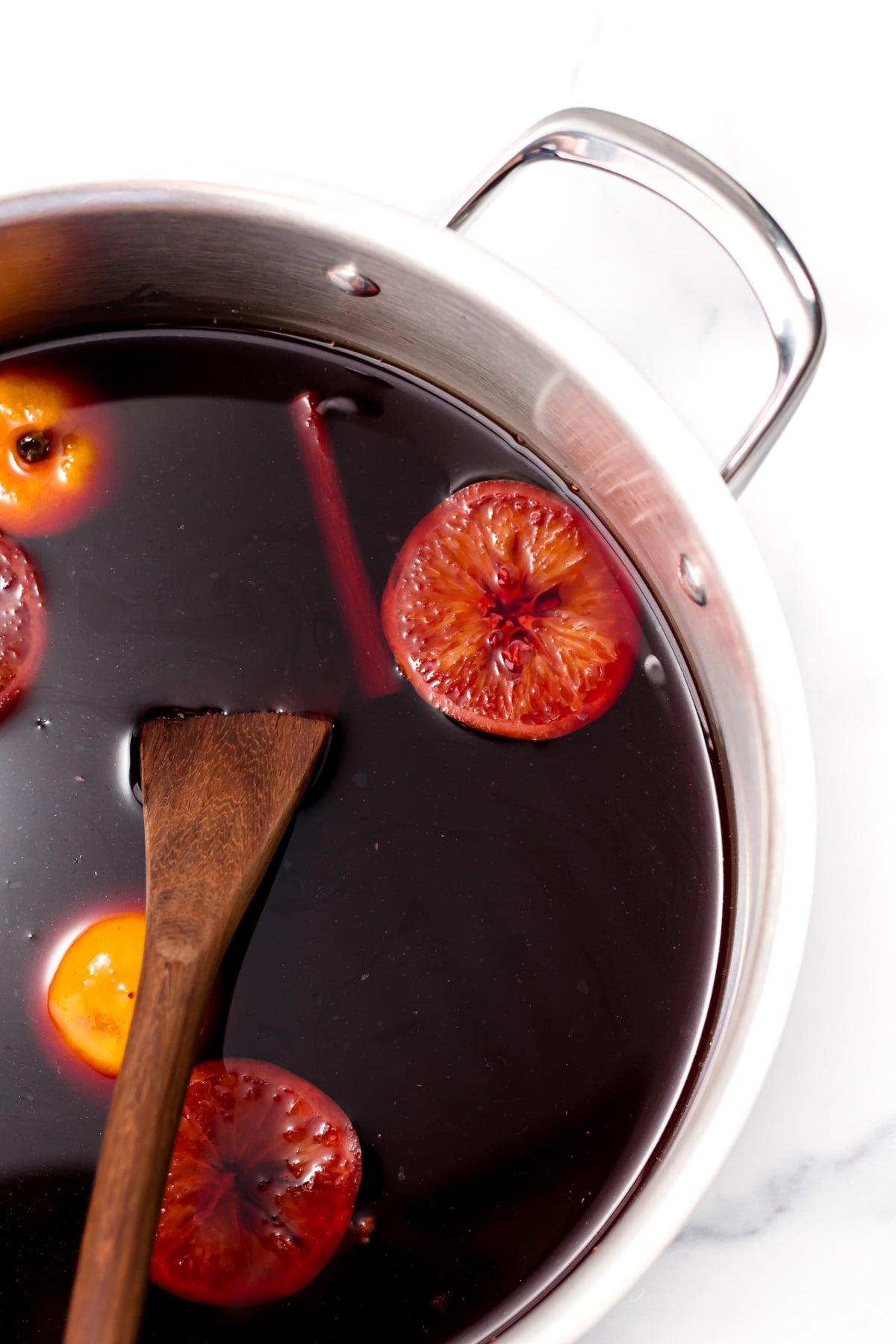
Non-alcoholic wine * is another option when you want to stay closer to the original flavor profile. My non-alcoholic mulled wine is a great example of how you can build layers of wine-inspired flavors with juices or alcohol-removed wine, and without the alcohol.

Best wine for cooking
The best wine for cooking is one you’d also enjoy drinking. That doesn’t mean you need to use a premium bottle. Save the expensive wine for your glass and choose a moderately priced bottle for the recipe.
Avoid products labeled “cooking wine” or “cooking sherry.” These often contain added salt and other ingredients that can affect the flavor of your dish. A regular bottle of wine gives you more control over the finished result.
For white wine dishes, dry varieties such as Sauvignon Blanc, Chardonnay and Pinot Grigio are versatile choices. Cabernet Sauvignon, Merlot and Pinot Noir are useful options when a recipe calls for red.
Fortified wines have their place in cooking, too. Port can be reduced for sauces or even vinaigrettes, while vermouth and madeira bring sweetness and acidity to cooked dishes. Our guide to cooking with vermouth goes into this a little more.

Recipes to cook with wine
Wine works in all kinds of recipes, from sauces and marinades to slow-cooked dishes and desserts. Once you’ve opened a bottle, there are plenty of ways to put the rest of it to work in the kitchen.
White wine dishes
Dry white wine works especially well in marinades and pan sauces for chicken, seafood and shellfish. You can also use it as a cooking liquid in dishes such as risotto, where it adds acidity and a subtle fruity note that balances the richness of the dish. White wine also makes a great addition to marinades for grilled chicken or herb-roasted chicken.
This mustard chicken has a delicious sauce with white wine. Shellfish is wonderful in a white wine butter sauce and this shrimp pasta is covered in a lovely white wine lemon sauce.
Red wine dishes
For beef and pork, a dry red wine pairs well with all kinds of marinades and sauces. Red wine is great for braising and can be used in soups like this beef stew, or you can use it in a sauce for dishes like short ribs and steak, and even vegetables.
Red wine is famously used in French cooking, especially coq au vin with mushrooms and boeuf bourguignon, usually with a red burgundy sauce.
A fortified red wine, like port, can be used, too — try it in this port wine vinaigrette. Fortified wine like vermouth or madeira is also great for cooking and adds a delicious sweetness along with the wine’s acidity.

Desserts
Chocolate and red wine are an ideal pairing. These chocolate red wine cupcakes would be perfect for celebrating. We also love this combo in red wine brownies. You can also use red wine in fruity desserts like poached pears.
Sparkling wine can be fun in desserts, too. You can use it in everything from treats like jello shots to cupcakes to ice creams like raspberry champagne sorbet.
FAQ
The amount depends on the recipe and how the wine is being used. A pan sauce or deglazing may only call for a splash, while braises, stews and risottos can use considerably more.
Unopened wine does best somewhere with a cool, steady temperature. Aim for about 45°F to 65°F and avoid places that regularly get warmer than 70°F.
Once you’ve opened a bottle, refrigeration can help preserve it. Most opened wines are best enjoyed within several days, while sparkling wine loses its carbonation much more quickly. For more storage tips, check out how to store alcohol properly.
Yes, but its alcohol content means it freezes at a lower temperature than water. This is especially important when making frozen desserts because too much wine can prevent the mixture from setting properly.


Meghan @ Cake 'n Knife says
Thanks for sharing my recipe BFF!
davika horne says
Roasted Chicken with White Wine Fresh Herbs is an easy weeknight meal that can double as the perfect dinner party meal.