



Using tequila in cooking adds all the charm and kick you’d expect from a margarita, but it can make a recipe bright, zippy and even smoky. There’s no need for an expensive bottle, either. This guide is here to show you how tequila works in different recipes, when to let the alcohol cook off and when it’s meant to stand out.
Save this for later!
DISCLAIMER
*This post may contain affiliate links, meaning Feast + West may receive commissions for purchases made through those links — at no cost to you. All opinions are our own. Please read our full disclosure for more information.
You guide to cooking with tequila
Tequila adds a distinct flavor to recipes that’s hard to replicate with other ingredients. I reach for it often when a dish needs contrast — especially in recipes with citrus, spice or sweetness. Over time, it’s become one of my go-to ingredients for adding a punch of flavor to both savory and sweet dishes.
A splash of tequila can enhance recipes with lemon, lime or orange, balance sweetness or add complexity to savory dishes without overpowering them. It works especially well with bright, bold seasonings, where it reinforces what’s already there rather than competing with it.
You can also use mezcal in many of the same ways as tequila. It works interchangeably in most recipes and brings a noticeable smoky flavor that can add depth, especially in savory dishes or sauces. I also love it in this Oaxaca old-fashioned.
That said, it’s best to cook with a more basic bottle and save higher-quality mezcal for sipping or cocktails where its flavor will stand out.
If you’re newer to cooking with spirits, my tequila 101 guide breaks down the different types. You can also explore more ideas in this roundup of tequila cocktails or browse gifts for tequila lovers if you’re building out your bar. And if you’re just looking for tools and recipe ideas, my list of favorite cooking apps has some serious gems.

What it tastes like
Tequila brings a mix of citrus, herbal and lightly peppery flavor notes to recipes. Because it’s made from agave, it has a natural brightness that pairs especially well with lime, orange and other acidic ingredients.
Blanco tequila is the most common choice for cooking. It’s clean, crisp and slightly sharp, which makes it ideal for marinades and desserts where you want that fresh, citrusy flavor.
Reposado tequila has been aged briefly, so it adds a little more warmth and subtle oak flavor without becoming too heavy. Añejo tequila is more deeply aged and complex, which can get lost in cooking and is better reserved for sipping.
In savory dishes, tequila helps tenderize proteins and add flavor into meat when used in marinades. It can add brightness and contrast in grilled chicken, pork, shrimp and steak dishes, especially when paired with citrus and spices. In sauces and glazes, it can balance sweetness while keeping flavors from feeling too heavy.
In desserts, tequila amplifies citrus and balances sugar. It works well in frostings, cakes and bars, where it adds a subtle edge that keeps sweet flavors from becoming one-note.

Don’t miss Tequila 101 where you can learn more about which bottles to buy.
What happens when you cook with alcohol
When you cook with tequila, heat causes some of the alcohol to evaporate. It doesn’t disappear completely, but the longer something cooks, the less pronounced the alcohol will be.
If you want to keep more of that signature tequila flavor, add it toward the end of the heating process rather than at the beginning. Stirring it in after removing a mixture from heat preserves more of its character.
Alcohol also has a lower freezing point than water. In frozen desserts like margarita bars, too much tequila can prevent the mixture from fully setting. Small amounts work best so you get the flavor without affecting the texture.
In baking, tequila can slightly dry out cakes or baked goods if used in larger amounts. Because alcohol evaporates and interferes with gluten development, it can leave a drier crumb. To balance this, you can:
- Add a little extra fat, like butter or oil
- Brush the finished baked good with a simple syrup
- Slightly reduce the flour
These adjustments help maintain moisture while still letting the tequila come through.
Substitutions
Blanco or gold tequila is usually the best choice for cooking, while reposado is a good middle-ground option if you want a somewhat deeper flavor without using anything too expensive.
If you don’t have tequila on hand, light rum or vodka can work in many recipes. The flavor will be different, but both can provide a similar structure in marinades, sauces or desserts.

Best tequila for cooking
You don’t need a premium bottle to cook with tequila. In fact, it’s better to save high-end tequilas for sipping or cocktails where their nuanced flavor won’t be lost.
Instead, choose a moderately priced tequila that you enjoy but wouldn’t hesitate to use in a recipe. A standard blanco tequila is the most versatile option for cooking, while reposado can add a bit more depth when needed.
Don’t miss Tequila 101 where you can learn more about which bottles to buy.
Recipes to cook with tequila
Tequila works well in baked goods, no-bake desserts, savory dishes and even infusions.
Baking
Tequila adds brightness and depth to citrusy, sweet desserts Try frozen margarita bars, tequila sunrise cake or margarita cupcakes for recipes where it enhances both flavor and aroma. Tequila lime cheesecake bars are another great option, combining creamy texture with fresh citrus.
No-bake
For recipes where tequila isn’t exposed to prolonged heat, its flavor stays more pronounced, like in these margarita or paloma jello shots. These juicy watermelon tequila lime bars are a refreshing choice for warmer months, too.
Savory
Tequila pairs well with a wide range of proteins. It works especially well in marinades that use lime juice or zest and cilantro. Try it in a grilled tequila lime chicken marinade, tequila lime pork tenderloin or even shrimp-based appetizers like tequila lime shrimp phyllo cups. A splash can also add bold flavor to sauces and glazes.
Infusions
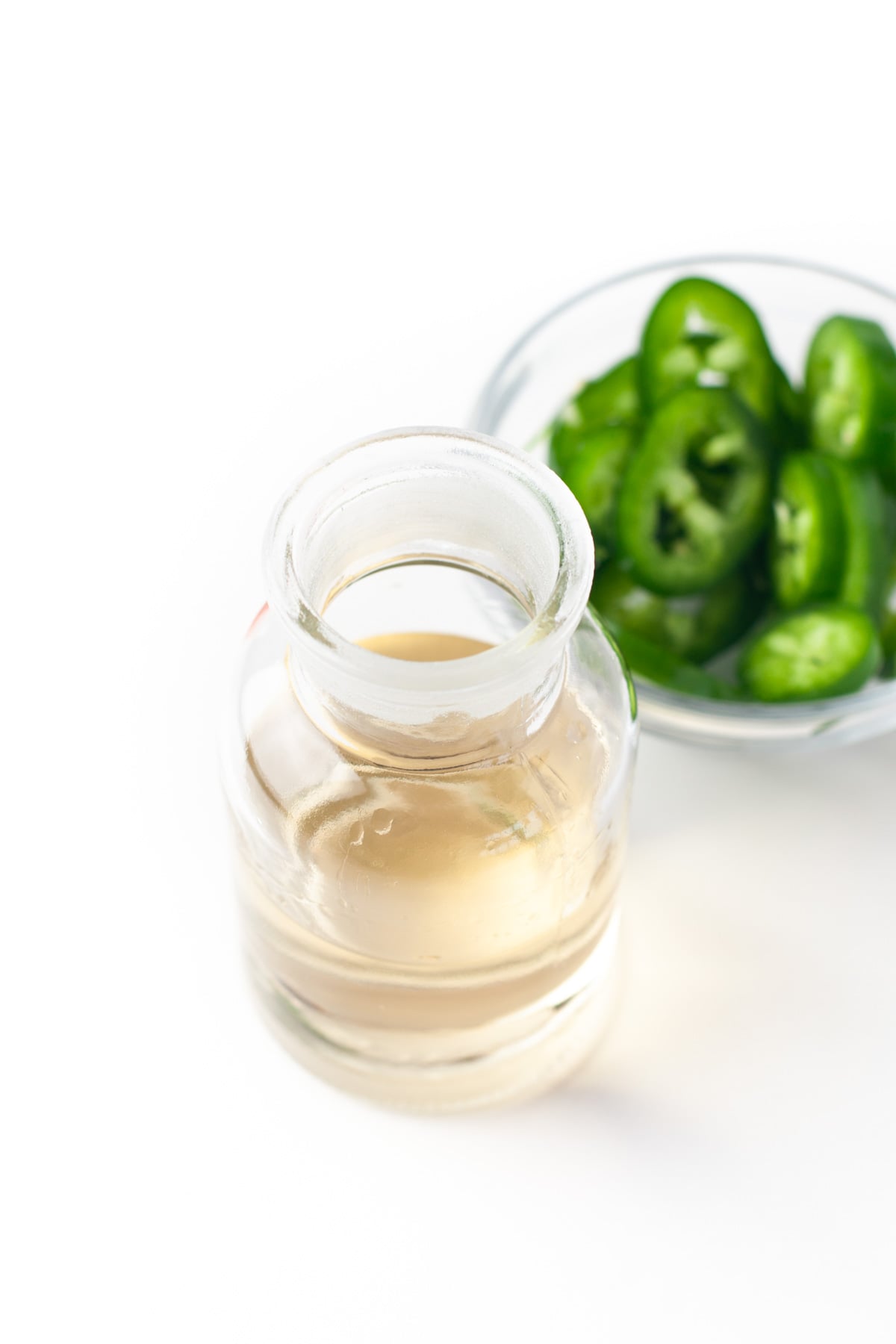
You can also infuse tequila itself. Jalapeño tequila is one of our most popular recipes. It adds heat and flavor, and it can be used in both cooking and cocktails.
FAQ
A little goes a long way. Most recipes only need a tablespoon or two to add flavor without overpowering the dish.
It can help. Tequila is often used in marinades with citrus, and together they help break down proteins slightly while carrying flavor into the meat.
Yes. You can use my homemade zero-proof tequila to mimic the flavor without using alcohol.


Meghan @ Cake 'n' Knife says
I can’t believe I am about to say this, but I have very little experience cooking with tequila! I love this breakdown and all these recipes look delish – especially those shrimp tacos… YUM! p.s. only a few days until I see your gorgeous face! YAY!
Susannah says
That surprises me! You better fix that immediately. Can’t wait to see your lovely face too! 🙂
Meredith says
I let tequila scare me, and I really shouldn’t. Many of my first tequila experiences are with sugar loaded margaritas at bad college town Mexican joints. Recently, my dad has gotten super into nice tequila, and I’m starting to see the light. Cooking with it? I hadn’t thought of that until now 🙂 I make Latin inspired stuff frequently and I definitely need to experiment. Thanks for this post!