



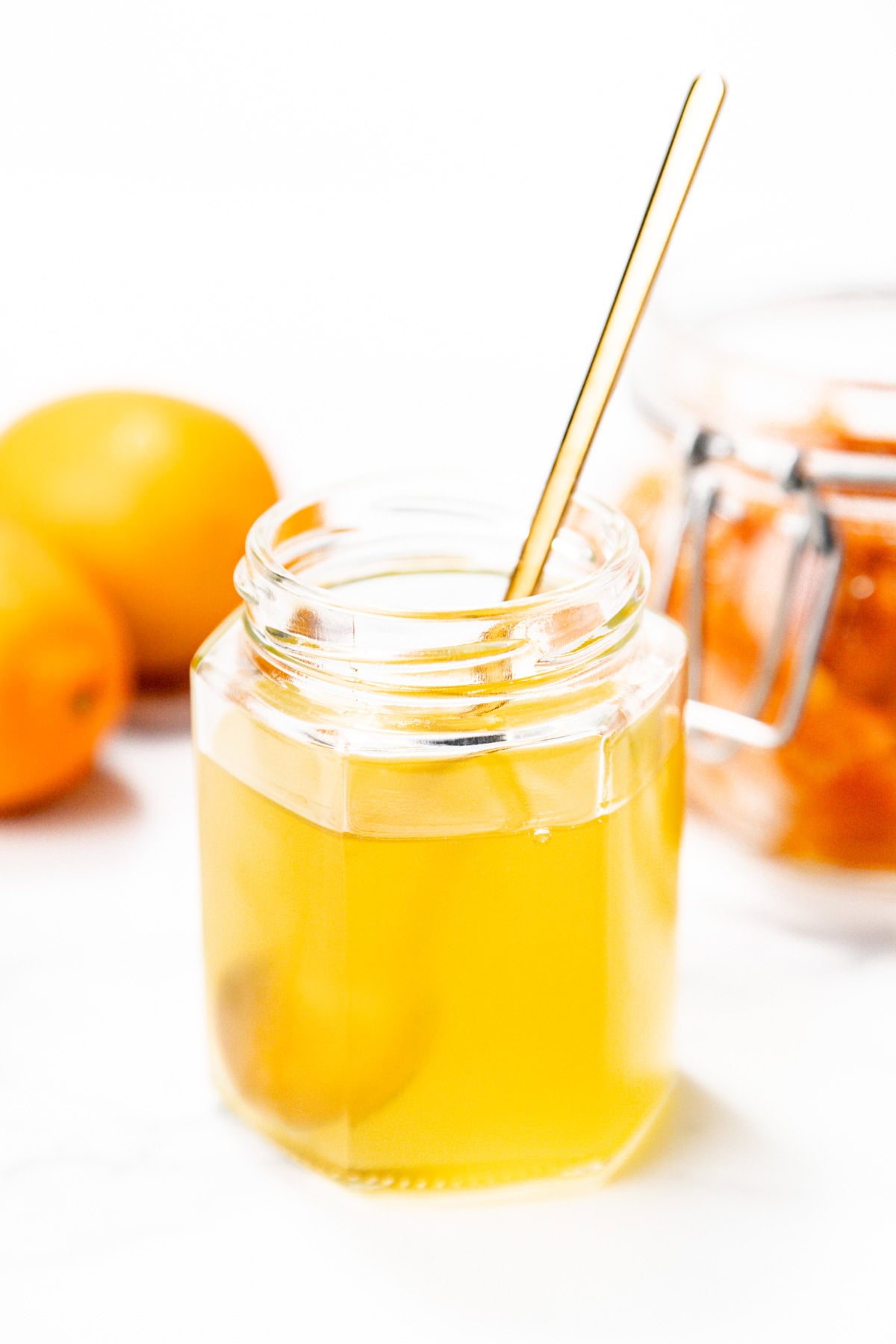
Oleo saccharum is one of those ingredients where the flavor is hard to place — lemony and zesty but not sour or bitter. Made by slowly pulling the essential oils from citrus peel with sugar over the course of a day, this old-fashioned syrup adds a deeper, more layered citrus flavor to punches and cocktails. You don’t need a vacuum sealer or any other special equipment to make it — just a little pure, old-fashioned time.
Save this for later!
DISCLAIMER
*This post may contain affiliate links, meaning Feast + West may receive commissions for purchases made through those links — at no cost to you. All opinions are our own. Please read our full disclosure for more information.
About this Oleo Saccharum recipe
Oleo saccharum is an ingredient with so much history. Latin for “oil sugar,” this citrus oil syrup has been around since at least the early 19th century.
It was a key ingredient in punch, which was the dominant cocktail format before the individual cocktail took over in the mid-1800s. Jerry Thomas, considered the father of American bartending, included it in his 1862 bartending guide.
Oleo saccharum fell out of fashion just as punch did, but has seen a big revival thanks to the craft cocktail movement and the modern bartender Jeffrey Morgenthaler.
When it comes to making this recipe, you can’t rush it. This is a cold process — no heat, no shortcuts. The sugar macerates the zest and pulls out the essential oils, slowly liquefying over 12 to 24 hours, sometimes more. Morgenthaler’s method has you vacuum seal the ingredients together, which is effective — if you have a vacuum sealer, and not everyone does.
In terms of flavor, it’s one of those ingredients where the flavor is hard to place: lemony and zesty but not sour or bitter. It’s really lovely layered into punches or anywhere you want something unique and a little special.
Testing notes
This is not a simple syrup, literally and figuratively. Traditional simple syrup contains equal parts liquid and sugar, whereas oleo saccharum involves no liquid at all — except for the oils that occur naturally in the citrus peels, drawn out by the sugar. (If you want to try a syrup with lemon juice, make my lemon syrup instead. It’s faster, too!)
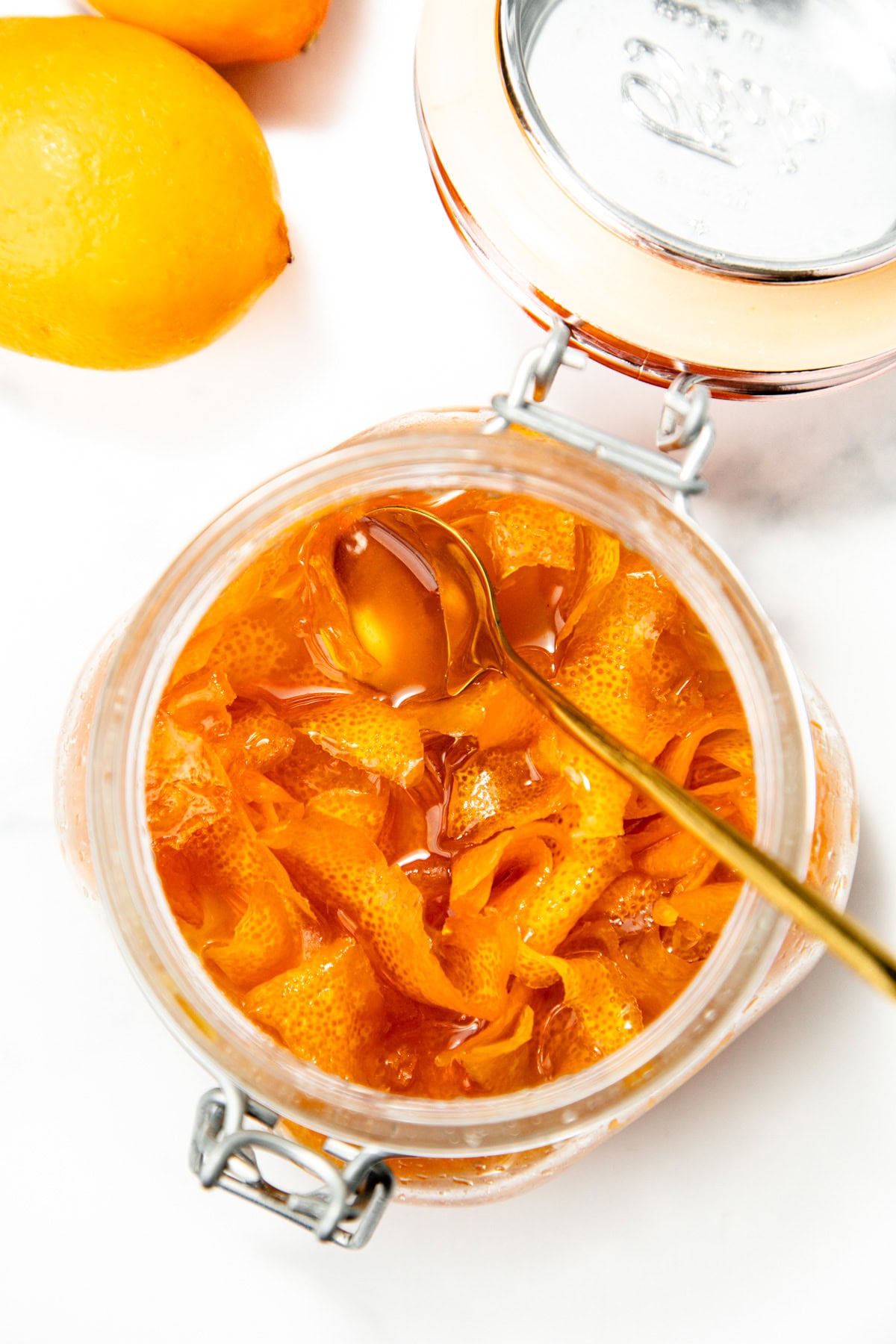
Oleo saccharum is also not quite an easy recipe: It takes about a day to make, involves carefully zesting citrus and is easy to mess up. And trust me, I did, many times! I made this recipe at least 10 times, trying to get it right (without a vacuum sealer), and I finally nailed it. Follow my tips here and you won’t make the same mistakes I did.
Why you’ll love this recipe
- It creates a deep citrus flavor. Oleo saccharum captures the fragrant essential oils from the peel, giving drinks a layered citrus flavor you can’t get from juice alone.
- It’s an old-school cocktail ingredient with real history. This classic punch ingredient dates back centuries and still feels surprisingly modern in cocktails and mocktails today.
- It instantly upgrades drinks. A small spoonful adds a complex citrus note that makes punches, cocktails and sparkling drinks taste a little more special.
Ingredients & essentials
👇 For full measurements and step-by-step instructions, scroll down to the printable recipe card. It’s all there waiting for you!
You only need two ingredients to make oleo saccharum: lemons and sugar. I used Meyer lemons here for their floral, slightly softer citrus flavor, but regular lemons work well too. You can also experiment with lime, grapefruit, orange or blood orange depending on the flavor profile you want. Ideally, get citrus without wax on the peels, but you can easily dewax them with hot water and a vegetable brush.
The sugar matters more than you might expect. Superfine sugar, also called caster sugar, dissolves properly and helps pull the oils from the zest efficiently. Powdered sugar is too fine for this process and granulated sugar doesn’t dissolve nearly as well.
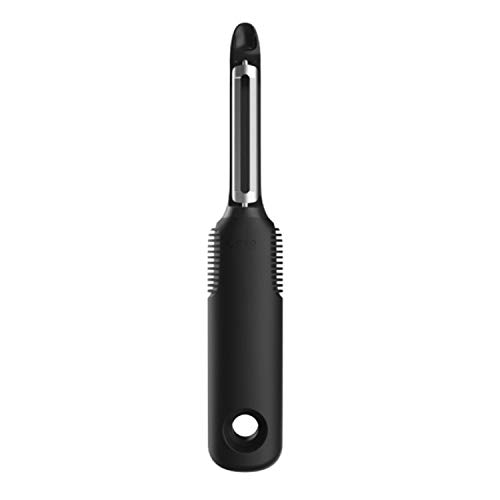
When zesting the citrus, try to avoid the bitter white pith underneath the peel. A vegetable peeler * or channel knife works best for getting long strips of zest without digging too deep.
For equipment, a wide, shallow container with more surface area makes a huge difference. A narrow jar causes the peels to stack on top of each other too much, which slows the maceration process.
If you’re making a larger batch, layer the sugar and peels evenly, then stir well so everything is distributed properly.
oleo saccharum essentials
 Buy Now →
  Buy Now →
  Buy Now →
 *
Instructions
Any prep instructions before people begin + general recipe overview paragraph.
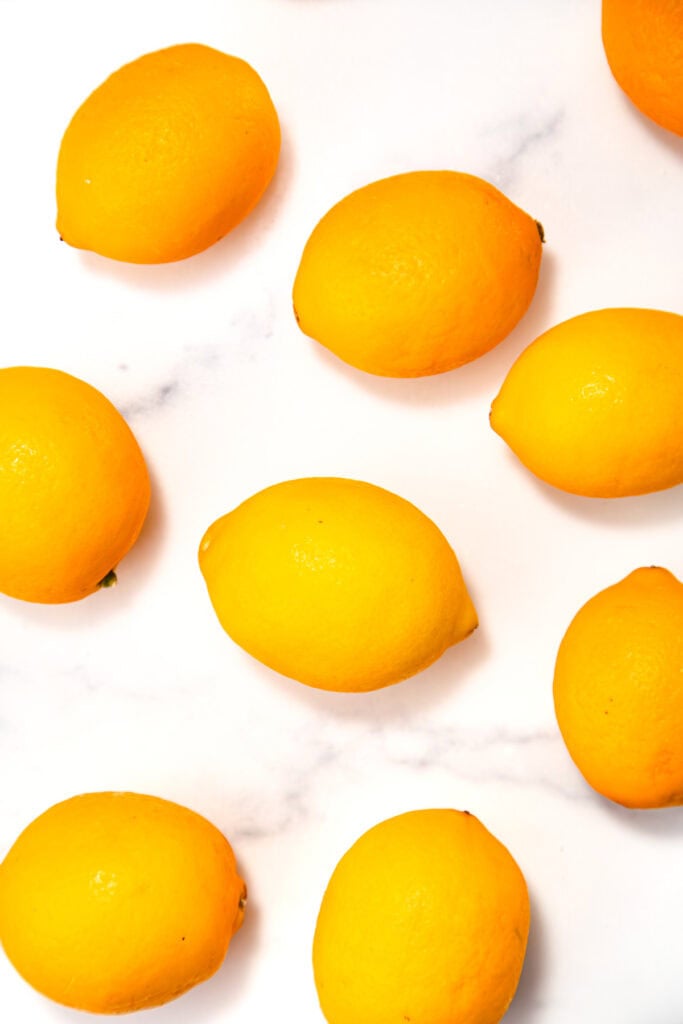
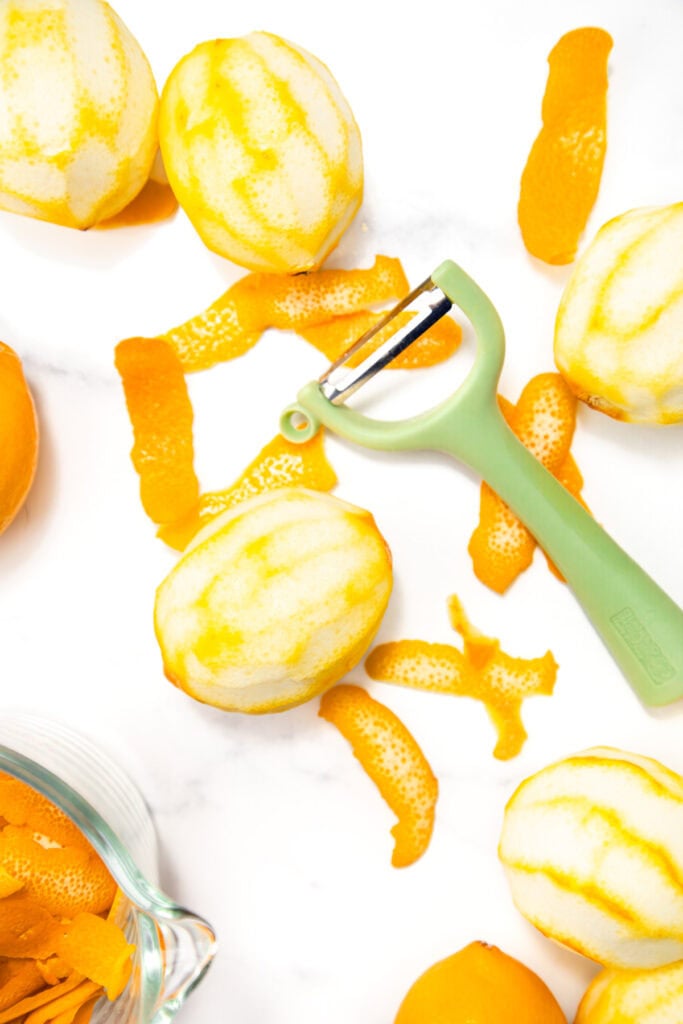
- Gather the ingredients for the oleo saccharum.
- Zest all lemons, avoiding as much of the bitter white pith as possible. Use a vegetable peeler * or channel knife with a gentle but firm hand.
Use a wide container instead of a jar. More surface area helps the sugar coat the zest evenly and speeds up the liquefying process naturally.
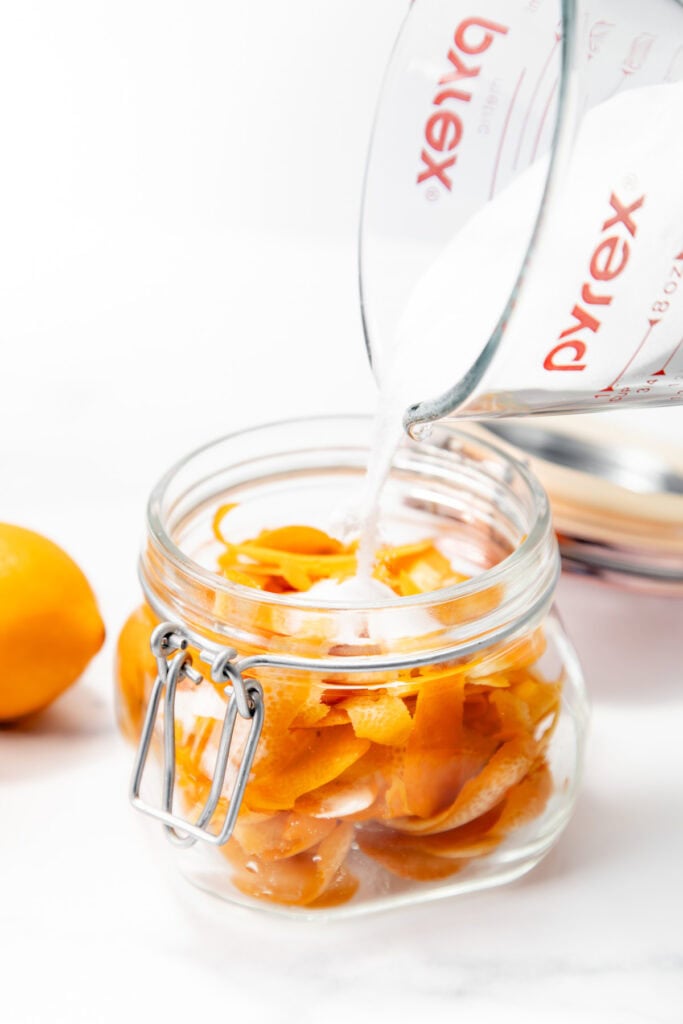
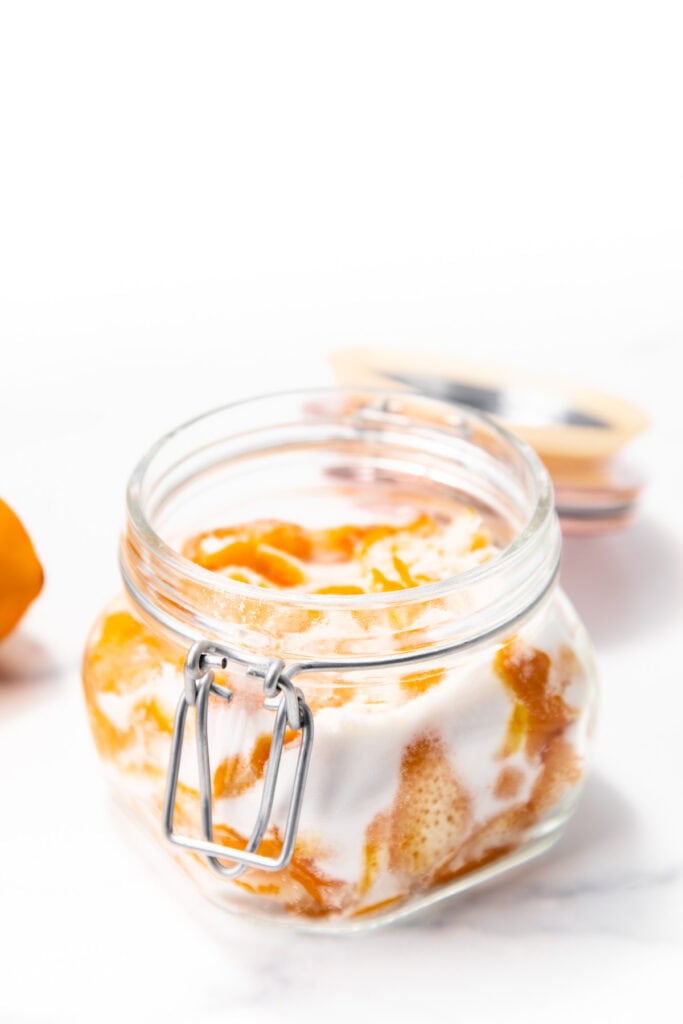
- Add the zest to a wide, flat container with good surface area. Top with superfine sugar.
- If making a large batch, layer the peels and sugar, then stir well to distribute evenly.
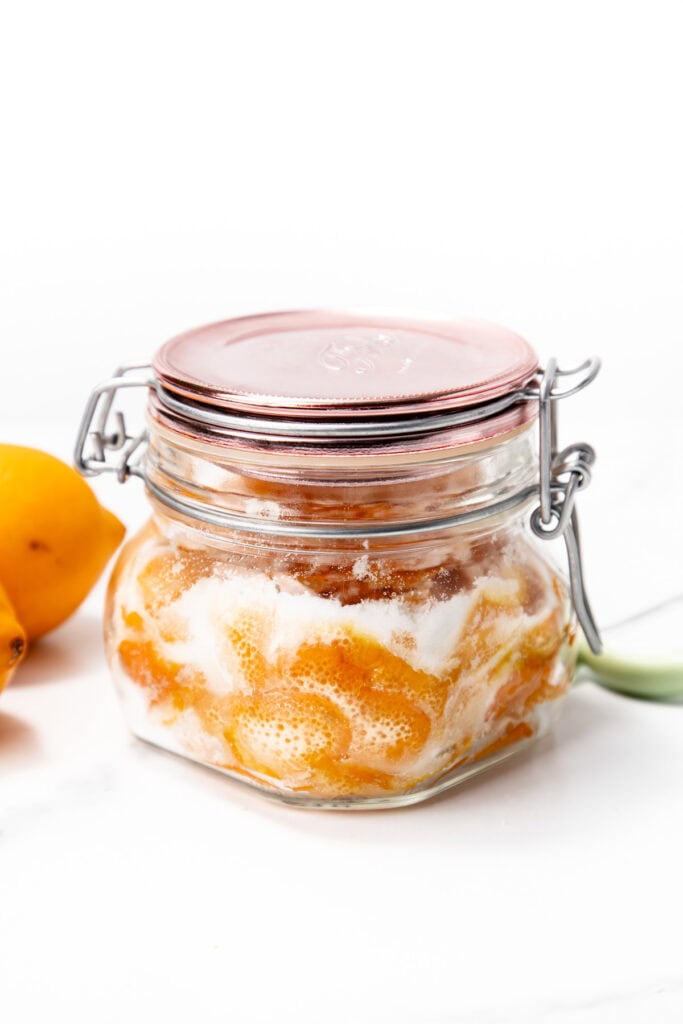
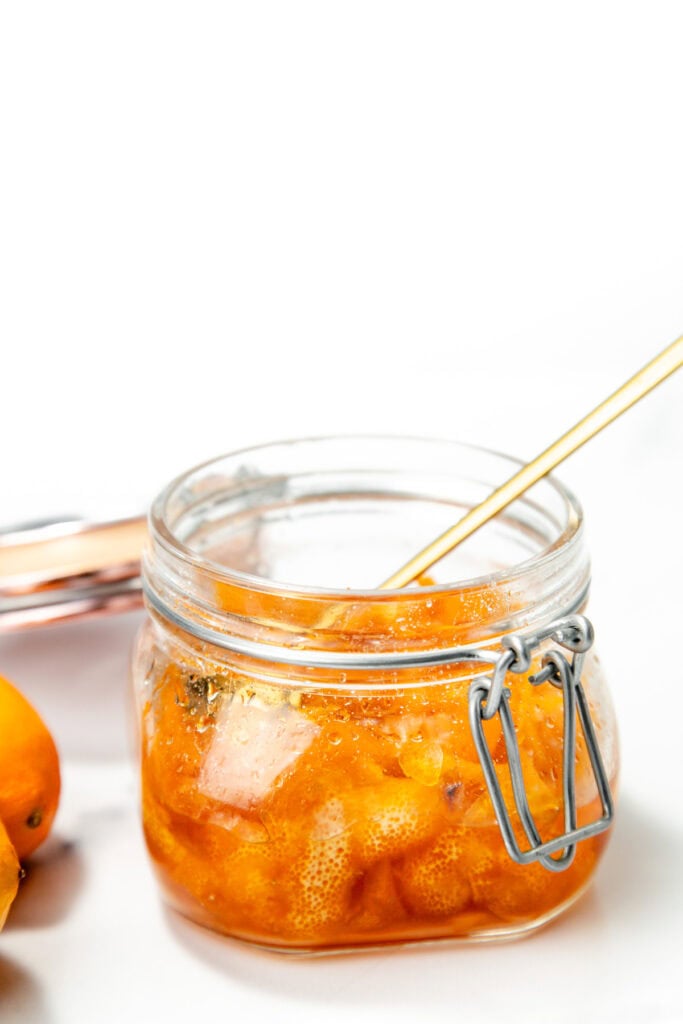
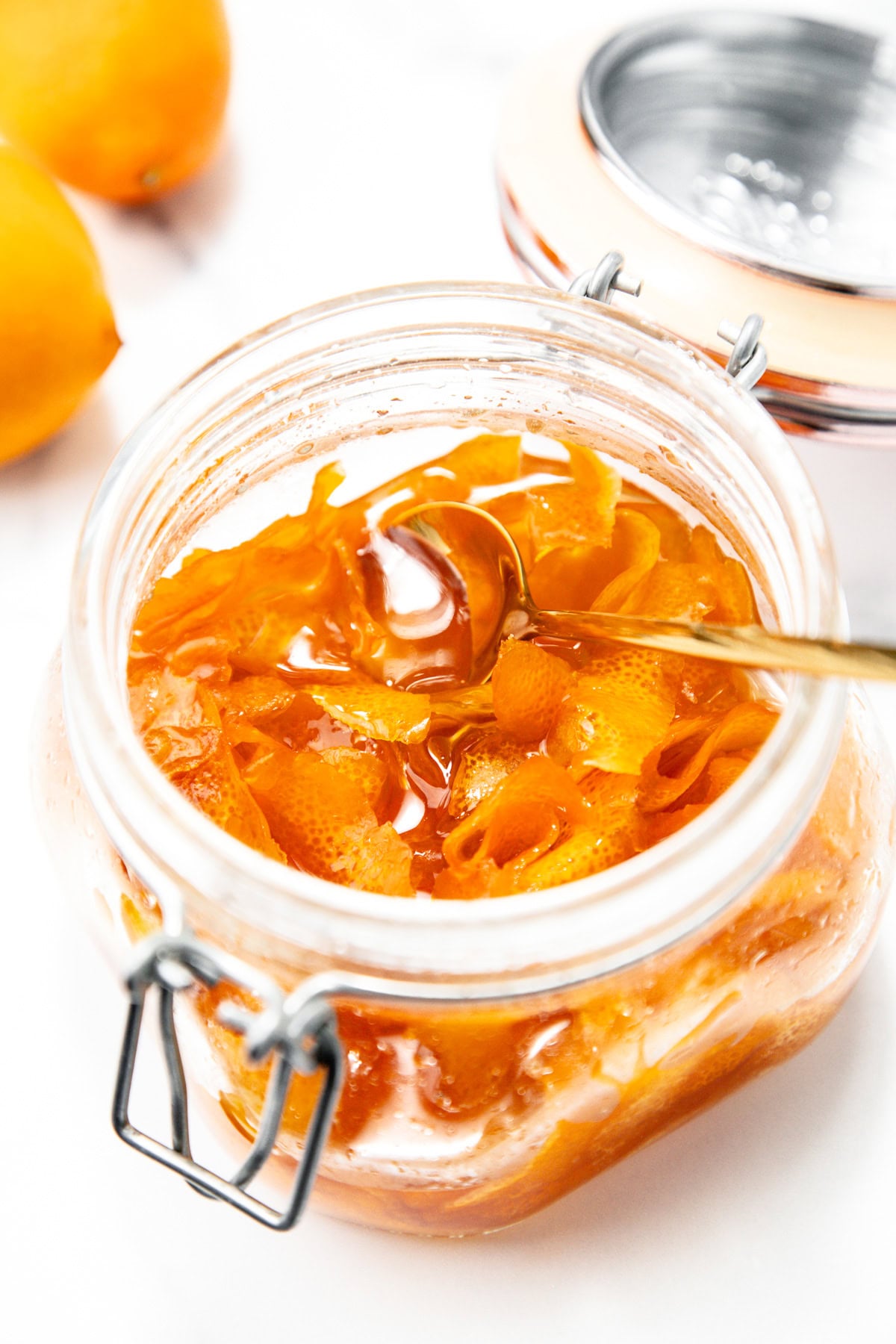
- Cover and let sit at room temperature for 12–24 hours.
- It is ready when the sugar is fully dissolved and liquefied. (If just a little bit remains, you can likely stir it in once you strain out the peels.)
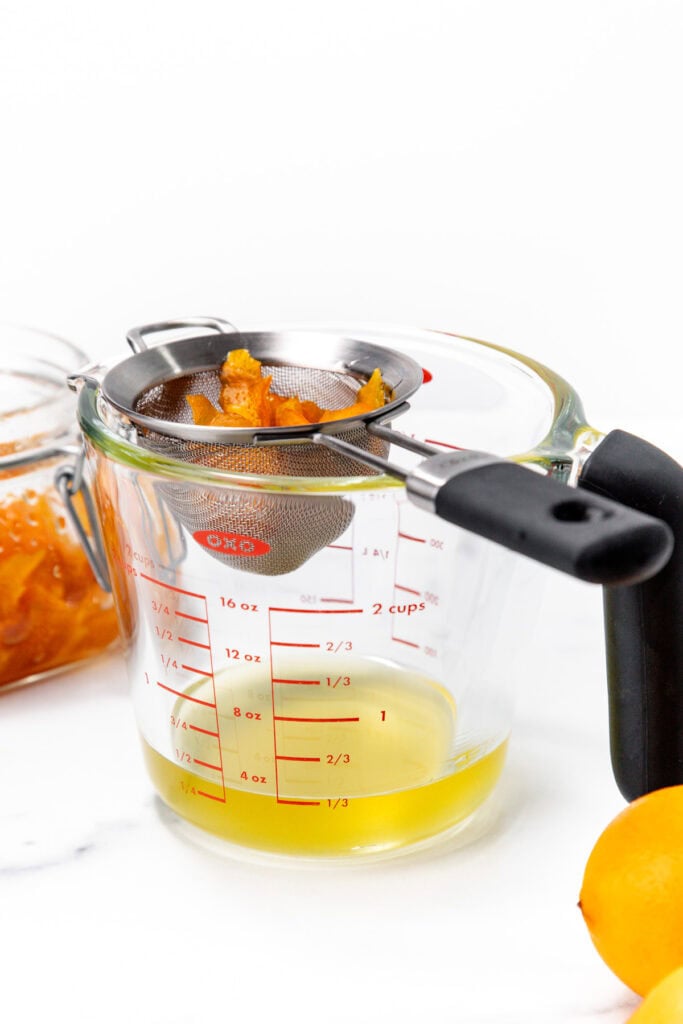
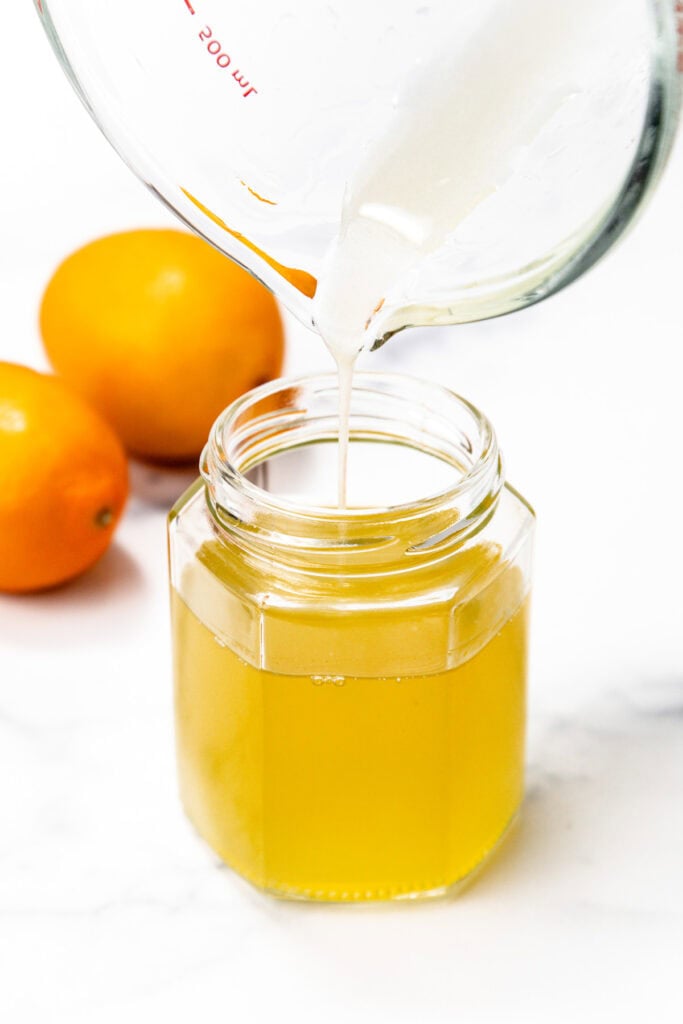
7. Strain out the solids and transfer to an airtight container.
8. Juice the zested lemons and reserve for lemonade or mix with the oleo saccharum for a deeper lemon flavor.

Tips & tricks
- Stick with superfine sugar. It dissolves much more effectively than regular granulated sugar and creates a smoother final texture.
- Avoid the bitter white pith. A gentle hand while zesting keeps the flavor bright, fragrant and clean.
- Don’t waste the lemons afterward. Juice the zested citrus and use it for lemonade, cocktails or stirred into the oleo saccharum itself for a more intense citrus flavor.
- Get the ratio right. Use about 1 to 2 ounces of superfine sugar for every lemon. (I had the best luck with 1½ ounces.)
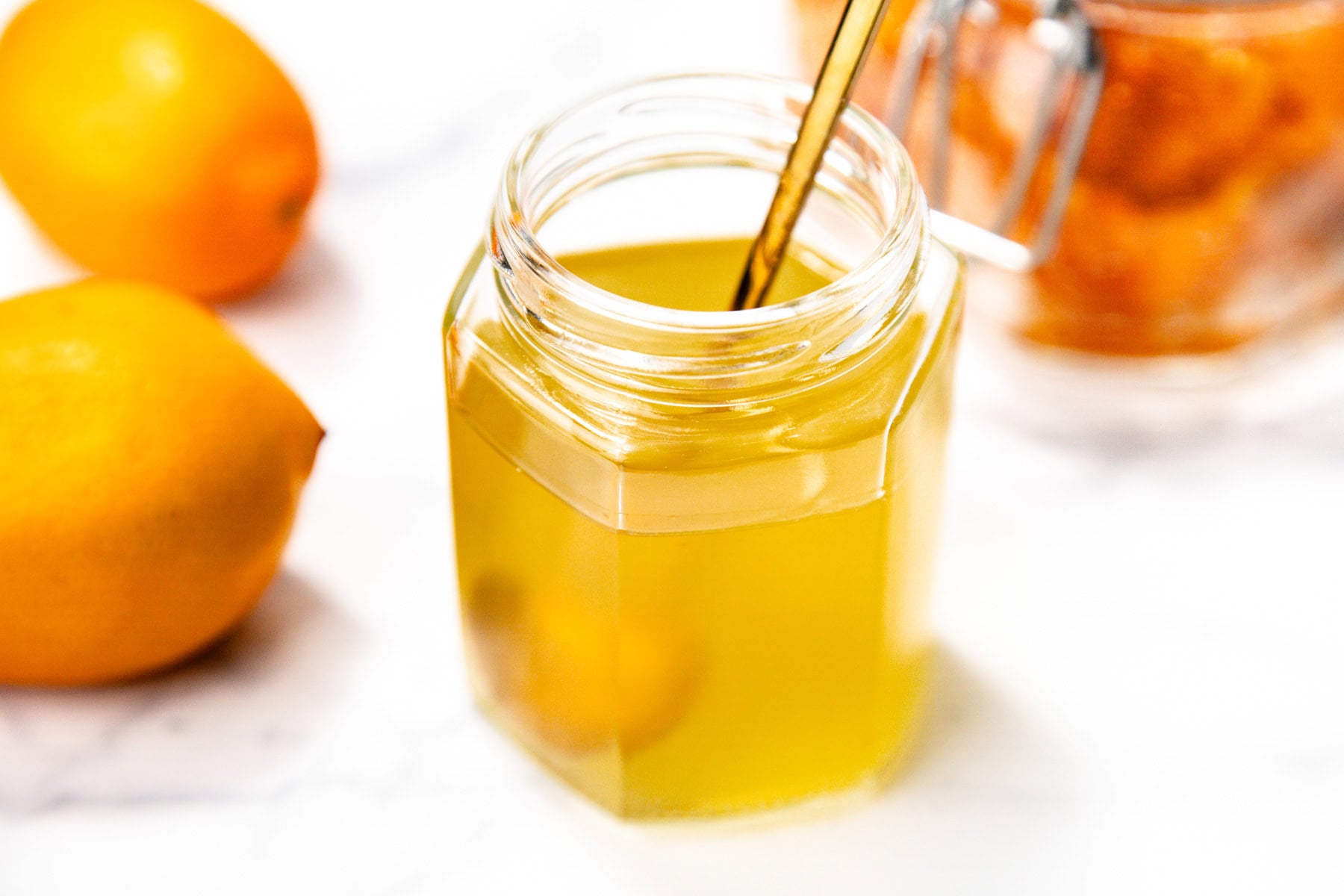
Uses for oleo saccharum
Oleo saccharum is most famously used in punch recipes, where it adds a deeper, more fragrant citrus flavor than juice alone. It’s especially good in large-format drinks like lemon champagne punch or citrus-forward sangrias.
You can also stir it into sparkling water, cocktails or mocktails anywhere you want a more layered citrus flavor. It’d be great to sweeten lemonade, shaken into a lemon margarita or muddled into a lemon mojito. Mixing fresh lemon juice with the oleo saccharum creates an especially rich, bright lemon flavor.
Unlike simple syrup, oleo saccharum doesn’t make a huge batch, so I usually use it strategically in drinks where the citrus flavor can really stand out. You can leave it concentrated as-is or mix in fresh citrus juice or a little water if you want to stretch it further. (Purists will disagree with me, but I’m all for adaptations that work for you.)
FAQ
Store it in an airtight container in the refrigerator for up to 2 weeks.
No. This is a cold process — unlike simple syrup, there’s no heat involved. You can’t rush it.
Absolutely. Lime, grapefruit, orange and blood orange all work beautifully and each creates a slightly different flavor profile.
Leave a comment or tap the ★★★★★ below to leave a rating — it helps others and supports our work. We love hearing how it turned out!
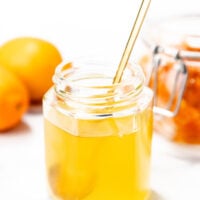
Oleo Saccharum
video
ingredients
- 8 whole Meyer lemons or any citrus, zested
- 12 ounces superfine sugar (also called caster sugar)
instructions
- Zest the lemons, avoiding as much of the bitter white pith as possible. Use a vegetable peeler or channel knife with a gentle but firm hand.8 whole Meyer lemons
- Add the zest to a wide, flat container with good surface area.
- Add superfine sugar. If making a large batch, layer the peels and sugar, then stir well to distribute evenly.12 ounces superfine sugar
- Cover and let sit at room temperature for 12–24 hours, until the sugar has fully dissolved and liquefied.
- Strain out the solids and transfer to an airtight container.
- Juice the zested lemons and reserve for lemonade or mix with the oleo saccharum for a deeper lemon flavor.
notes
Save this recipe for later
recommended products
As an Amazon Associate and member of other affiliate programs, I earn from qualifying purchases.



Leave a Reply