





There’s more to rum than mojitos and daiquiris. In the kitchen, it brings the flavor of caramel, vanilla and warm spice to savory and sweet recipes alike. Here’s how to cook with rum and make the most of this versatile spirit.

Save this for later!
DISCLAIMER
*This post may contain affiliate links, meaning Feast + West may receive commissions for purchases made through those links — at no cost to you. All opinions are our own. Please read our full disclosure for more information.
Your guide to cooking with rum
Rum is a fun spirit to experiment with in the kitchen, especially if you enjoy tropical flavors, Caribbean-inspired dishes or desserts with a little extra richness. You can use it in marinades and glazes for meat and seafood, add it to cakes and creamy desserts or infuse it with fruit and spices.
One of my favorite things about cooking with rum is how well it pairs with ingredients like pineapple, coconut, banana, vanilla and warm spices (think cinnamon, cloves and nutmeg). Depending on the variety you choose, it can add a subtle sweetness or a much richer flavor.
You don’t need a fancy bottle, either. An affordable rum that you enjoy drinking will work for most recipes. If you’re new to the spirit, my rum 101 guide explains the different styles, and my rum cocktail roundup has plenty of ideas for using the rest of the bottle.
For more rum cocktail inspiration, try my Dark and Stormy, raspberry mojito, blueberry rum smash or frozen mango daiquiris.
If you enjoy experimenting with spirits in the kitchen, check out my other guides to cooking with tequila, cooking with wine, cooking with bourbon and cooking with vodka.
What rum tastes like
Rum is made from sugarcane products, usually molasses or sugarcane juice, but its flavor can vary depending on how it’s produced and aged. Some rums are light and clean, while others have sweeter, warmer notes like caramel, vanilla, oak and spice.
Light rum, also called white or silver rum, typically has a milder flavor. It works well in recipes where you want a little rum flavor without competing with citrus, fruit or other ingredients. It’s a good choice for lighter marinades and frozen desserts.
Gold rum has a fuller flavor that may include hints of the vanilla, caramel or oak mentioned above. It’s a versatile option for baking, sauces and glazes, especially when you want depth of flavor without the strong character of dark rum.
Dark rum tends to have the richest flavor, often with notes of molasses, toffee and baking spices. It works especially well in cakes, bread puddings, chocolate desserts and sweet glazes.
Spiced rum is flavored with spices and sometimes other ingredients, such as vanilla or citrus. It’s particularly good in fall and holiday baking, where flavors like cinnamon, nutmeg and cloves already play a starring role.
The variety you choose can make a noticeable difference. Light rum is generally more subtle. Dark and spiced rums can contribute more of their own flavor to the finished dish.

What happens when you cook with alcohol
When you cook with rum, some of the alcohol evaporates as it heats. However, cooking doesn’t necessarily remove all the alcohol. The amount remaining depends on factors such as cook time, temperature and how the rum is incorporated into the recipe.
In a sauce or glaze that simmers for a while, more alcohol will evaporate than in a dessert where rum is added after cooking. No-bake desserts, such as rum balls, can retain much more of the alcohol because they aren’t heated.
Rum can also affect the texture of frozen desserts. Alcohol freezes at a lower temperature than water, so adding too much can prevent ice cream or popsicles from setting properly.
When baking with rum, follow the recipe’s measurements rather than adding extra. Too much liquid or alcohol can change the texture of cakes and other baked goods.
If you’re preparing food for someone who avoids alcohol, don’t assume that cooking makes a rum-based recipe alcohol-free.

Substitutions
If you don’t have the exact rum a recipe calls for, another variety may work. Light and gold rum can often be substituted for each other, although gold rum will usually contribute a more noticeable flavor. Dark rum can work in recipes that call for gold rum, but its stronger character may be noticeable as well.
Spiced rum can also replace regular rum in some desserts, especially those using vanilla, cinnamon or other warm spices. Just remember that it adds its own seasonings and may be sweeter than an unflavored rum.
For an alcohol-free substitution, consider what the rum contributes to the recipe. Pineapple juice or apple juice can provide sweetness and moisture in some glazes and marinades, and vanilla extract * or rum-flavored extract may help recreate some of the flavor in baked goods. Check the label if you need a completely alcohol-free option, since many extracts contain alcohol.
These substitutions won’t taste exactly like rum, and they won’t work equally well in every recipe. For dishes where rum is a major flavor component, such as rum cake or rum balls, it’s best to use a recipe developed specifically for the substitute.

Best rum for cooking & baking
You don’t need to buy expensive rum for cooking. A moderately priced bottle is usually a good choice, especially when you’re combining it with other strong flavors or heating it for an extended period.
For everyday cooking, gold rum is a versatile choice. It has enough flavor to stand up to marinades, glazes and baked goods without being as intense as some dark rums.
Choose light rum for recipes with more delicate fruit or citrus flavors. Dark rum is especially useful for rich desserts, caramel sauces and recipes with chocolate or molasses.
Spiced rum is a natural fit for holiday desserts, spice cakes and sweet treats.
For most recipes, the best choice is the type of rum specified in the ingredients. Different varieties aren’t always interchangeable, particularly when the rum is meant to provide a distinctive flavor.
Recipes to cook with rum
Rum works in all kinds of recipes, including savory dishes, baked desserts, frozen treats and homemade infusions. Here are some delicious ways to put a bottle to work beyond the cocktail shaker *.
Savory dishes
Rum pairs particularly well with tropical fruit, citrus and bold seasonings. It’s a great addition to marinades and glazes for chicken, shrimp and pork, especially when the recipe includes pineapple, lime or warm spices.
Try these mini rum-glazed shrimp tacos with boozy tropical salsa for a sweet and savory combination. These mojito grilled chicken thighs are another delicious option, bringing together rum-inspired flavors with citrus and herbs.
Desserts & sweets
Rum is especially popular in desserts because it pairs so well with sugar, fruit, chocolate and cream. Dark and spiced rums can add rich flavor to baked goods, while lighter rum works nicely with fruit-forward sweets.
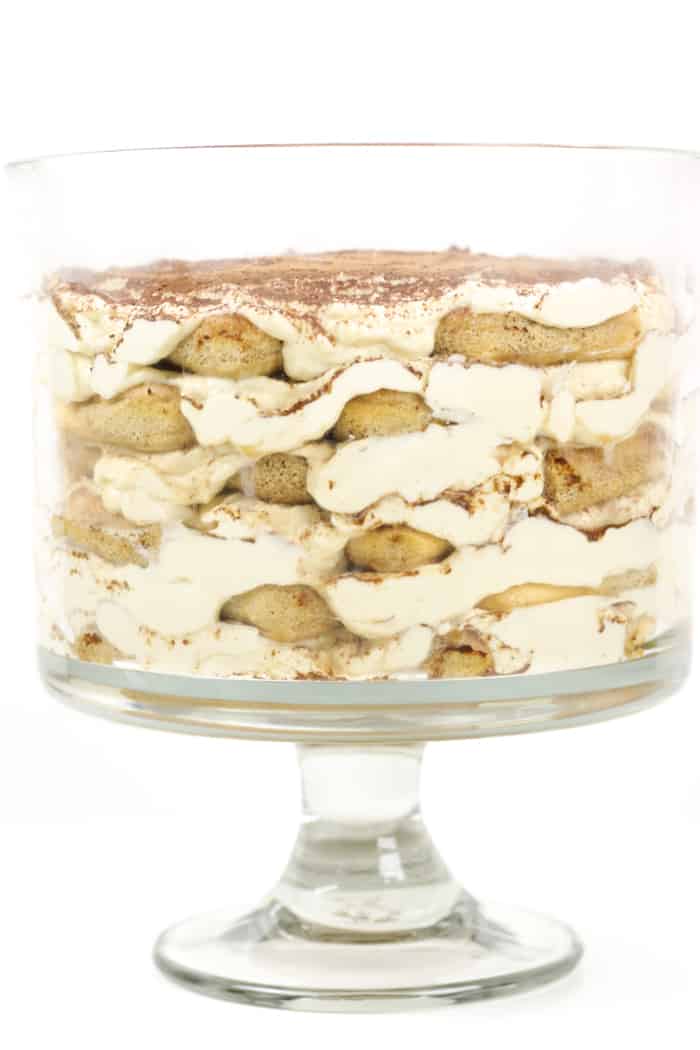
For a classic treat, try my spiced rum balls, a no-bake dessert that’s especially good for holiday entertaining. My classic tiramisu also offers the option of adding rum, and my tiramisu trifle is another dessert to consider.
If you love baking, try this rum cake or pistachio rum crème brûlée. Both make lovely desserts for a dinner party.
Rum also works really well with fruit. Try banana upside-down cake or homemade rum raisin ice cream for two classic flavor combinations.
For something refreshing, try my blackberry mojito popsicles or make these dairy-free spiced rum horchata pops.
And for another easy party dessert, RumChata pudding shots use a creamy, rum-based liqueur rather than traditional rum.
Sauces & glazes
Rum can add flavor to sweet glazes, dessert sauces and savory pan sauces. Its caramel and vanilla notes work well with the flavors of butter, brown sugar and warm spices.
This bread pudding with rum sauce is a great example of using rum in a sweet sauce. For a savory option, try Steak Diane, which uses the liquor in a savory pan sauce.

Rum infusions
Infusing rum is another fun way to experiment with flavor. Fruit, herbs and spices can all be used to give a bottle of rum a different character.
My homemade spiced rum is a great place to start, especially if you enjoy warm spices and want to customize the flavor yourself.
You can also try grapefruit-infused rum for a citrusy variation. Infused rum can be used in cocktails or incorporated into recipes where its added flavors make sense.
Rum can also be used to make homemade vanilla extract *, giving you another way to use the spirit in your baking.
FAQ
Sometimes. Rum can add its own vanilla-like notes, especially if you’re using gold or dark rum, but it won’t provide exactly the same flavor as vanilla extract. It works best in recipes where a little rum flavor complements the other ingredients.
Not usually, but it depends on the amount used and how the dish is prepared. A small amount cooked into a sauce may contribute subtle flavor, while rum added to an uncooked dessert will be more noticeable.
Yes, but the amount matters. Because alcohol freezes at a lower temperature than water, too much rum can keep ice cream, popsicles and other frozen desserts from setting properly. Use a recipe developed with alcohol in mind rather than adding rum freely to a standard frozen dessert recipe.


Kristin says
I love those mini-shrimp tacos! Now I know where all my rum is going to go.
Susannah says
Ugh, me too! I need to make those stat. Thanks for your comment, Kristin!
Beth @ bethcakes says
This is such a great post, Susannah! Thanks so much for including my recipe. I really do love baking with rum 🙂
Susannah says
Thanks Beth! Your recipe is A+++. Thank YOU for making it so I could include it!
Margi Whitright says
Can you use rum in the place of rum extract in baking? If so, in same measurements?
Susannah says
I should think so, Margi! Since you’re using it for flavor, I think it would work especially because there is alcohol in both rum and rum extract! I found this link too, if it helps: http://www.seriouseats.com/talk/2007/11/extracts-vs-alcohol-in-baking.html
Caribbean Cooking TV says
Hello Susannah thanks for writing such an interesting post on cooking with rum