


Learn how to start a cocktail herb garden to help elevate your cocktails, from making herbal simple syrups to gorgeous garnishes. You’ll love watching them grow and trying herbs in new drink recipes! All you need is a bright window inside or a sunny spot outdoors.

Save this for later!
DISCLAIMER
*This post may contain affiliate links, meaning Feast + West may receive commissions for purchases made through those links — at no cost to you. All opinions are our own. Please read our full disclosure for more information.
The ultimate guide to starting a cocktail herb garden
It wasn’t always a plant lady. When I was younger, nothing bored me more than helping my parents in the yard — watering, planting bulbs, touring other people’s gardens. Hard pass on all of it.
But somewhere along the way, my thumb went from black to green and I started a houseplant collection, then I moved my hobby outside. My husband doesn’t mind my plants, but he’d prefer “useful” plants. Useful, as in they are plants that keep bugs away or plants you can eat — or make drinks with! — like veggies, fruits or herbs.
These days, our porch is lined with window boxes and our patio is full of pots, and every spring I look forward to building out my cocktail herb garden. Friends and family are always impressed. (And honestly? So am I.)
The best part? Fresh herbs make every drink better. Here’s how to grow your own cocktail herb garden, whether you have a patio, a balcony or just a sunny windowsill.
(Before I get into the weeds, I just want to remind you I am an amateur gardener. But if I can do it, so can you! If you have herb growing tips, please feel free to post them in the comments!)
Note from the author
2026 update: I first published this post in 2020, when I was a newbie gardener. I have since become a plant lady and my herb garden is my pride and joy every spring and summer. I decided to revisit this post because I have a new garden and lots of new tips, tricks and ideas to share with you. Happy gardening!
Why grow a cocktail herb garden?
Cocktails and mocktails: If it’s not obvious: The drinks are the biggest draw! You can use fresh herbs to make fresh simple syrups, infused spirits and garnish your glassware.
Cooking & baking: Of course, you can cook with your herbs too! Try my 3-ingredient pesto or this Tuscan white bean dip.
Do it anywhere: No excuses — you don’t need a garden, patio or balcony. You can even grow them inside. I keep a few herbs growing in our kitchen window or my hydroponic garden * for year-round use.
Tools & supplies
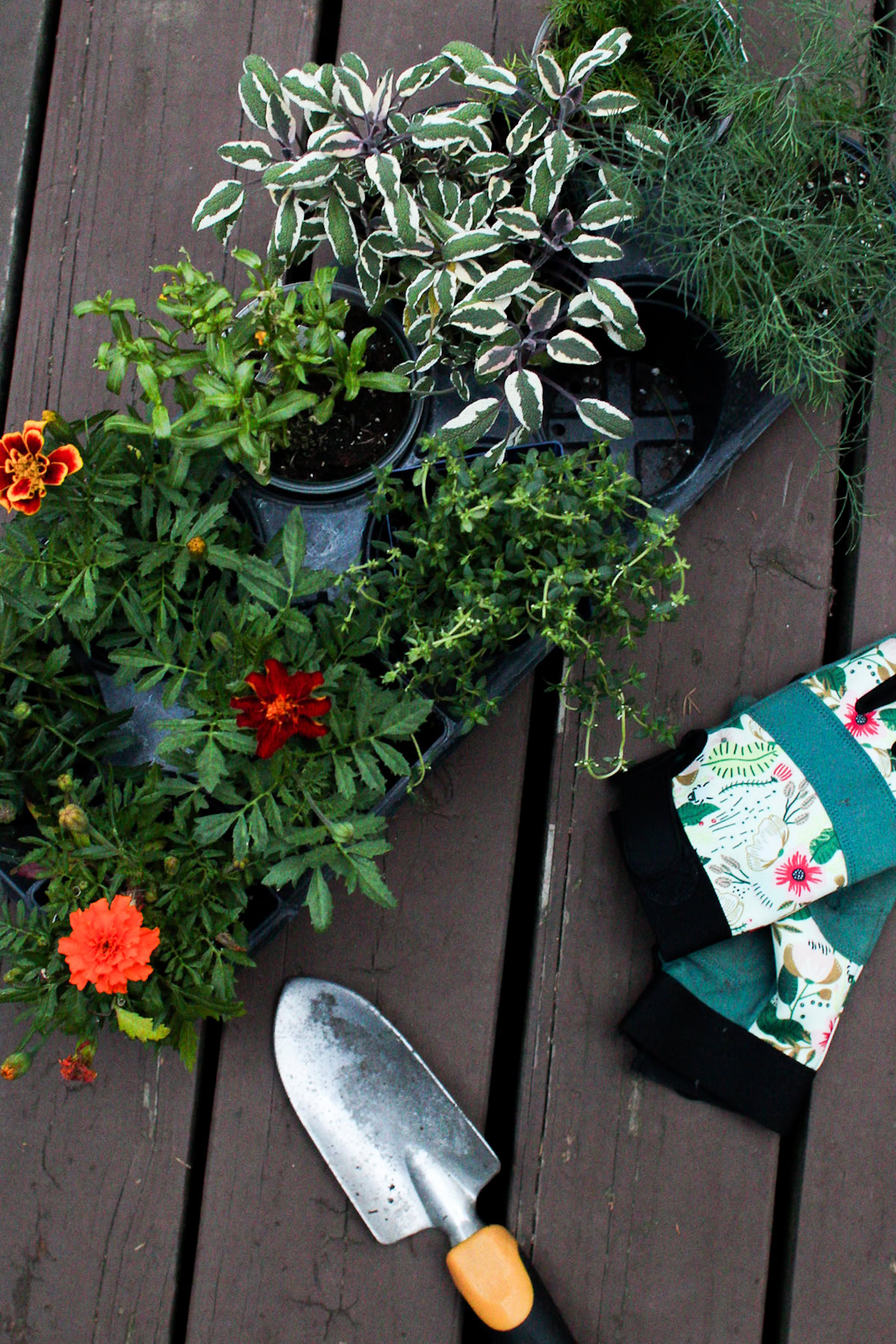
If you are just getting started, here is what you need. You don’t need at all to start a successful garden, but these are some of my favorite things I’ve come to love over the years.
Plants: Pick up plantings of your favorite herbs at your local garden center, or you can start them from seeds.
Pots & planters: You can keep some plants in their plastic nursery pots, but if you want big, lush plants, it’s best to repot them in something a little bigger that can hold more soil, let the roots grow long and soak up more water. When I grew mine inside, I used an indoor seed-starting tray that fit in my kitchen window. I also love my hydroponic garden *, which self-waters and keeps the plants alive all winter too.
Plant smart: Be sure to get planters with drainage holes, or your plants can get too wet. (Yes, you can over-water.) Saucers and self-watering planters help to protect the surfaces.
Soil: A soil formulated for container gardening as well as for herbs, vegetables, fruiting and flowering is a good place to start. A handful of compost per plant adds more nutrients to the soil. You’ll need more than comes with the plants. If you have a small space, you may wish to use a foldable planting mat to help collect stray dirt.
Tools: A trowel is a miniature handheld shovel that’s great for digging, and a cultivator is a small soil rake can help break up clumps. Garden gloves are a huge help too — be sure to pay attention to the size. But it’s fine to use your bare hands — no need to buy anything special. Pruning shears are key for selecting gorgeous garnishes for your drinks!
Watering supplies: Don’t forget to pick up a watering can while you’re there, or make sure your hose and sprayer made it through the winter with no holes or cracks. If you do need a new sprayer, be sure to get one with multiple settings so that you have choices and don’t accidentally blast your plants.
I’m also a huge fan of this mister for gentle watering and have bought it for gifts many times! You don’t need any of these, per se, though they do make watering easier. Feel free to reuse a milk jug or drink pitcher if that’s all you have!
Fertilizer and weedkiller: Be sure any products you choose are safe to consume and safe for your plants. Fertilizer helps your plants grow, but not all are created equal — I recommend an organic fertilizer. (I use my sourdough discard too!) Pulling weeds by hand is effective, but your local hardware store will have weedkillers geared toward plants in your area.
Pest prevention: For bugs, use natural pest repellants like neem oil, diatomaceous earth or crushed eggshells (dried and run through a blender or food processor if possible). Consider covering your boxes with cloth netting or place mesh bags over the fruit to prevent birds, squirrels, rabbits and deer from nibbling while pollinators can still do their thing!
Outside herb gardens
First, decide where you’re going to plant your garden. If you live in a house with a semi-sunny yard or porch, you can do it outdoors. Even a fire escape or balcony will work! Here are a few ways you can plant herbs outside:
- A sunny spot of land — or sunny-shady may work!
- Flower pots, or even re-use food containers like yogurt tubs
- A planter box that hangs over your porch, balcony or fire escape railing.
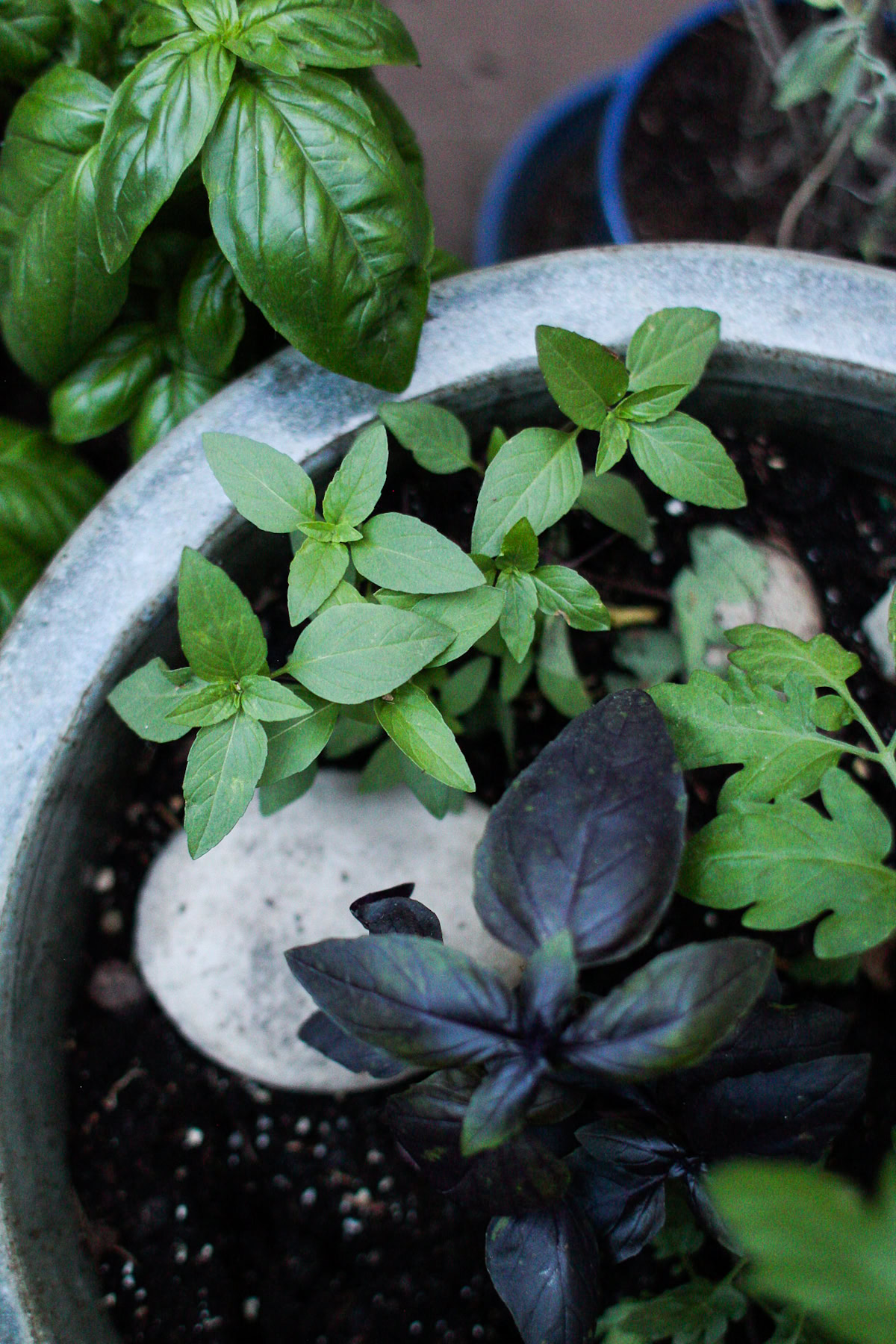
The trick is to pick a spot — or perhaps a couple of spots — that get a decent amount of sun. Keep in mind that some herbs prefer bright sun and others prefer to get some shade as well. For example, basil thrives in heavy summer sunlight, but mint likes it a little cooler and shadier.

Indoor herb gardens
No outdoor garden space? No problem. An herb garden doesn’t have to grow in the ground! There are a few options for growing your herb garden indoors:
In jars or vases of water: No soil required! Buy pre-cut herbs at the grocery store that come in the little plastic boxes, or you can ask a friend for cuttings from their garden. Clip the ends of the herbs and place them into water. Mason jars and vases are great for this.
Just make sure to top off the water so there is always enough to feed your herbs. Change the water out once a week (or it will turn green or brown). The herbs will eventually root so you can plant it later.

Grow herbs in flower pots indoors: You can also plant herbs in flower pots and keep them indoors. Pick a sunny window to keep them near, and make sure to water them regularly.
Above is a picture of an indoor herb garden I had a few years ago — I kept the herbs in plastic pots with built-in saucers (these ones come in a bunch of colors) on top of a tray to protect my kitchen counters from inevitable water spills.

Best herbs to grow for cocktails
Fresh herbs can make any cocktail taste even better. There are so many types of herbs out there, so this is just a list to get you started.
Check out the list below for ideas on what plants to get, and what drinks you can make with them. Here’s an in-depth list with the ones you think of and a few more that could be fun to mix with!
- Mint
- Thyme
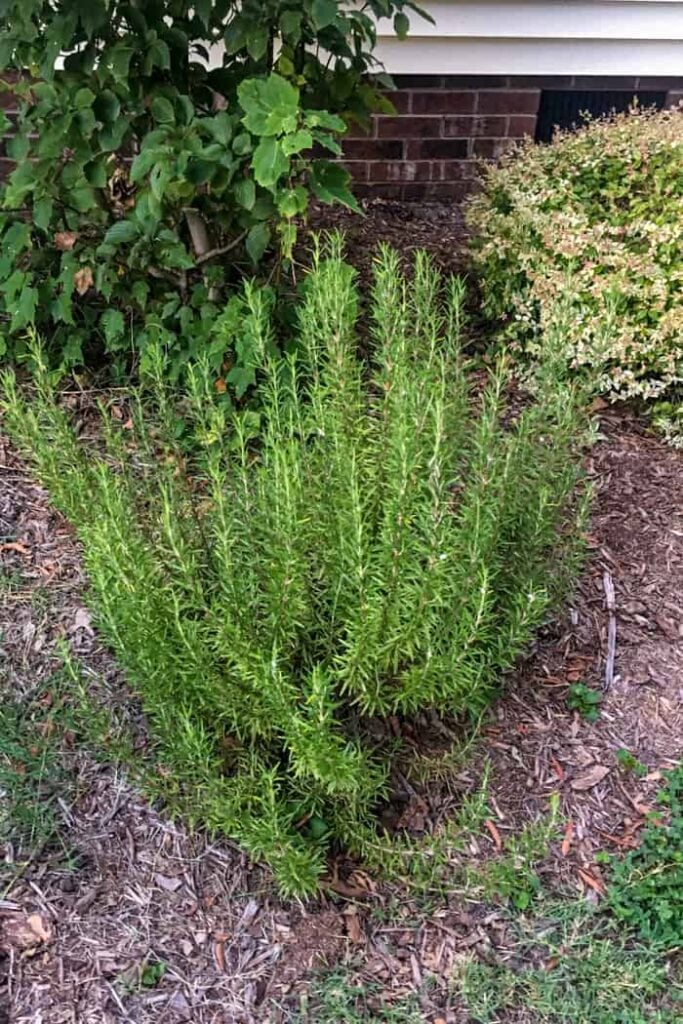
- Rosemary
- Lavender
- Basil
- Sage
- Lemongrass
- Lavender
- Hyssop
- Fennel
- Cilantro
- Tarragon
- Dill
- Marjoram
Feel free to mix and match your favorite herbs based on your tastes! This is your herb garden, after all.
If you want to twist things up even more, go for a variation on a classic herb. For example, instead of peppermint, try planting chocolate mint, spearmint or lemon balm. Try lime basil or Thai basil instead of the classic.
What to plant together
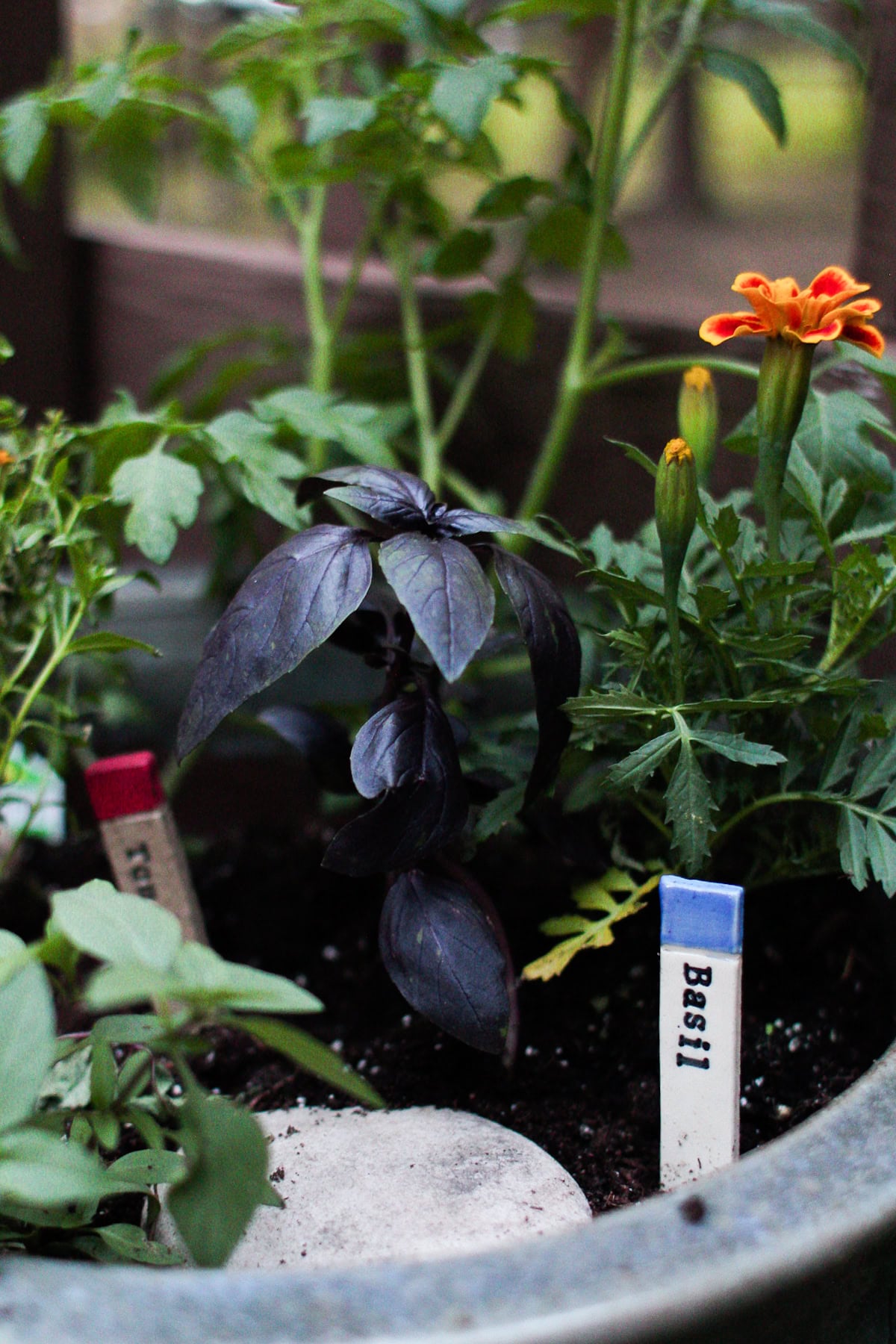
Not all herbs play nicely as neighbors — pairing the right plants can help everything thrive.
- Basil, tomatoes and parsley make great companions — classic in the garden and in the glass (hello, bloody Marys!).
- Mint grows aggressively, so keep it in its own pot to avoid crowding everything else out.
- Rosemary, thyme and sage all love full sun and dry conditions, so they do well together.
- Lavender pairs well with rosemary — both drought-tolerant and fragrant.
- Lemongrass does best on its own in a large pot. It can get big fast!
Caring for your cocktail herb garden
Herb gardens are pretty easy to care for, but it’s easy to make mistakes.
Watering: Water only when the top inch of soil feels dry — over-watering is one of the most common mistakes (and I’ve done it many times). Water in the morning or evening to reduce evaporation and stress on the plants
Trimming: Trim regularly to encourage new growth — snip from the tips, not the base. My mom taught me to prune any flowers that appear to keep the plant focused on leaf production.

How to harvest and store fresh herbs
Once your herbs are thriving, here’s how to make the most of them beyond mixing them
Dried herbs: Drying is one of the easiest preservation methods — spread sprigs on a baking sheet * and dry them low and slow in the oven. Rosemary does especially well this way. Crumble the dried leaves and store them in jars for year-round use.
Freezing: To freeze herbs, mince them fresh, mix with olive oil and pour into ice cube trays. Once frozen, pop them out and store in a bag for easy cooking portions all season long.
Simple syrups: Fresh herbs are also perfect for making simple syrups — just steep them in hot syrup and let the flavor infuse. You can even take it a step further with a cocktail infusion kit, which is a great way to experiment with herb-forward flavors.
What to make with your cocktail herb garden
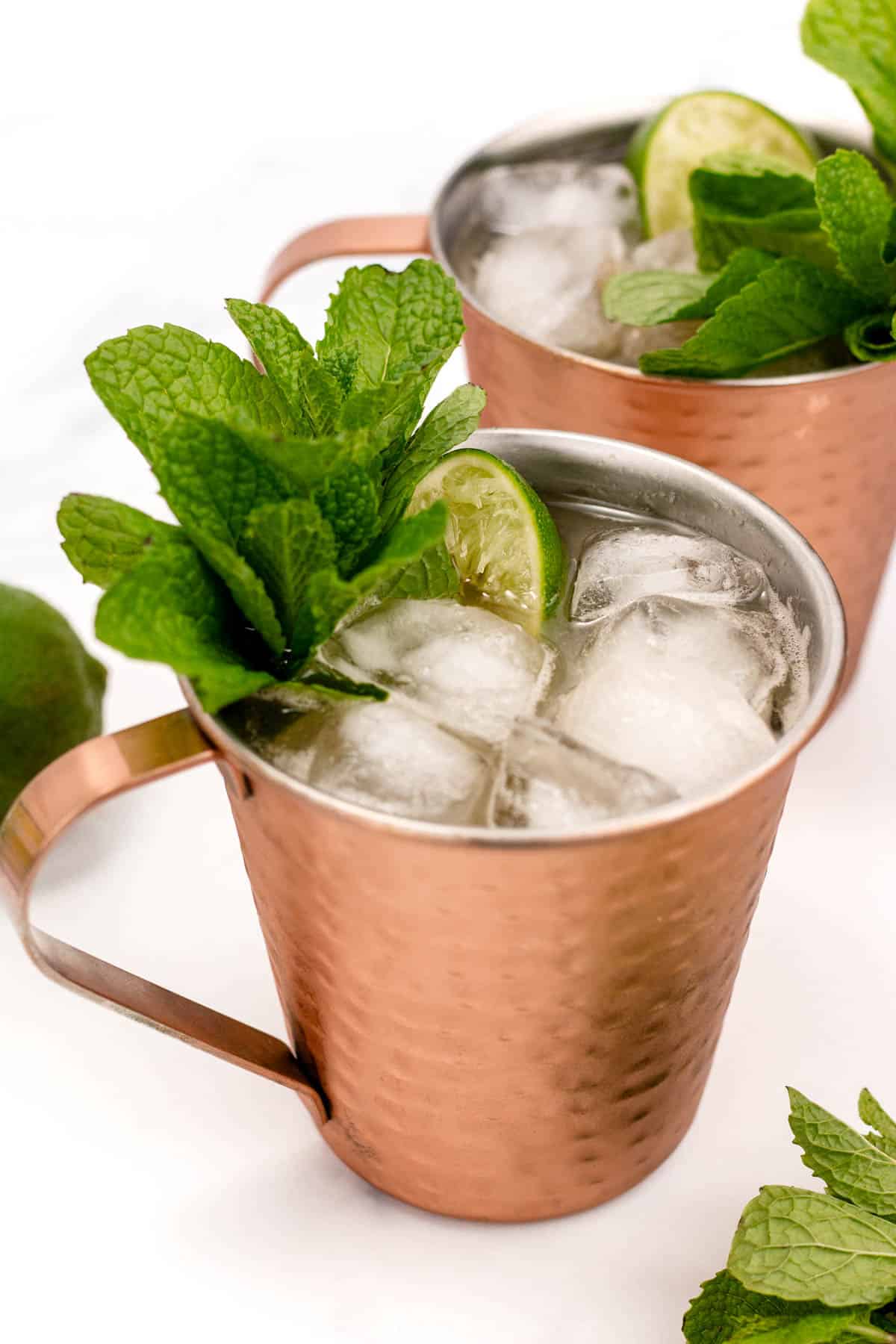
The world is your oyster when it comes to cocktails you can make with fresh herbs. Herbs provide tons of flavor so they make for a very versatile ingredient for non-alcoholic mocktails, even if it’s just a garnish. This herbal lemonade is blended with three herbs, and it’s so so good. The green color is so vibrant.
You can even use them to flavor simple syrup. Try it with mint, thyme, basil, sage, lavender or rosemary. Herbs are also wonderful in spa water, which is a naturally flavored, infused water.
- Mint: Both mint juleps and mojitos call for fresh mint. A kir royale or hot toddy would also be delicious!
- Rosemary: This one is so fragrant, especially when lightly burnt for a garnish. Try adding it to a grapefruit paloma or a moscow mule.
- Basil: Not just for pizza and pesto anymore! Try basil in a julep or as a garnish for a bloody mary.
- Thyme: Always a gorgeous garnish, try it in lemonade or a sparkler.
- Sage: Use it in a smash with fruits and your favorite spirit.
- Lemongrass: Try lemongrass in a cocktail instead of mint for something different!
- Lavender: So good in lemonade or even in a champagne cocktail.
This should be enough to get you started with planting your own cocktail herb garden!
It’s so very satisfying to have fresh herbs on hand and be able to whip up your own mint julep, sprinkle parsley over your pasta dish or even upgrade a frozen pizza with fresh basil!
Hope you enjoy every single, fragrant moment of using your herb garden!

How to Start A Cocktail Herb Garden
instructions
For outdoor herb garden
- Fill your planter or flower pots most of the way with soil.
- Place seeds 1-2" below the surface of the soil and cover with soil. Mist daily with water until sprouts form.
- Gently pull at the roots of any herb plants and place them into the soil, keeping the soil even. (Add more if you need to.) Water daily or when soil gets dry.
- Place planter in a sunny or partially sunny spot, depending on the herb.
For indoor herb garden
- Fill mason jars or vases with lukewarm water. Add cut herbs. Top off the water daily and replace water at least once a week. (You can also place small pots with herbs into jars filled with water.)
- Fill a flower pot with soil. Gently pull at the roots of any herb plants and place them into the soil, keeping the soil even. (Add more if you need to.) Water daily or when soil gets dry.
- Place in a windowsill or near a window for optimal performance.
recommended products
As an Amazon Associate and member of other affiliate programs, I earn from qualifying purchases.


Leave a Reply